
A featured contribution from Leadership Perspectives: a curated forum reserved for leaders nominated by our subscribers and vetted by the Manage HR Advisory Board.

Rally House
Beyond Leadership, Why Great Managers are Made, Not Just Promoted
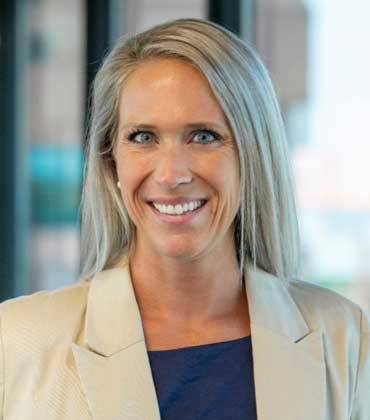
Kylie Livingston
Kylie Livingston, aPHR, is Vice President of Talent and Organizational Development at Rally House with over 16 years of HR experience, specializing in organizational development, training, and employee relations. She is skilled in talent acquisition, leadership development, and fostering continuous improvement in diverse industries.
In an exclusive interview with Manage HR, he shared invaluable insights on emotional intelligence in leadership, emphasizing managing personal emotions, staying connected, empathizing with others, and creating resilient, supportive environments to lead teams effectively through challenging times.
Introduction
All too often, we promote high-performing team members into leadership roles without equipping them with the fundamental skills to succeed. Even those who complete formal leadership development programs, checking every box in the competency framework, are often left wondering how to actually manage.
They’ve been taught how to “influence,” but rarely do we say explicitly: “Here’s how to manage yourself. Here’s how to manage multiple direct reports. Here’s how to juggle it all.”
The lucky few figure it out by instinct. Others dive headfirst into books, podcasts, or online resources, teaching themselves in a trial-by-fire. But for many, promotion is just a pat on the back paired with expectations they’re not trained to meet. That’s not a leadership pipeline, it’s a setup for burnout and failure.
Let’s be clear: leadership development programs are essential. They help shape emotional intelligence, communication, and presence, all key traits of great leaders. But there's a crucial step too often overlooked in the corporate world: teaching people how to manage.
The Missing Link: From Individual Contributor to Manager
When companies promote based solely on performance as an individual contributor, without providing tactical management training, they throw new managers into a whirlwind. Suddenly, they’re expected to lead, coach, delegate, manage projects, and maintain accountability, all while figuring out what not to do anymore.
This “hurricane” can largely be avoided by grounding new managers in practical, daily management strategies, before the storm hits.
Leadership vs. Management: You Need Both
Leadership is influence.
Management is responsibility.
The two are not interchangeable. Great managers must know how to influence and inspire, yes but also how to organize, prioritize, communicate, and hold others (and themselves) accountable. Without this, influence has no follow-through.
Tactical Tools for New Managers
If you're a new manager or responsible for developing them, these are the non-negotiables to master.
1. Get Organized to Stay Accountable
A manager’s ability to stay organized directly affects their ability to lead effectively.
Keep a running task list – Use a digital calendar or a paper planner to assign each task to a specific date. Don’t just enter deadlines, enter milestones leading up to those deadlines so you’re not scrambling at the last minute.
“Great managers are made, not just promoted, success requires mastering daily management strategies, organization, accountability, clear communication, and empowering teams to solve problems proactively”
Plan daily, review nightly – End each day by planning the next. What didn’t get done? Why? Does it need to be delegated, rescheduled, or escalated? A daily reset clears mental clutter and ensures you start the next morning with clarity.
Prioritize high-value activities – Identify what only you can do, and what can be delegated. Focus your time on strategic projects, not tasks you were great at in your previous role.
2. Run Efficient Meetings with Purpose
Touch-base notebooks – Maintain an organized notebook (digital or paper) with tabs for each direct report or weekly meeting. Jot down discussion points throughout the week so meetings stay focused and productive.
Weekly 1-on-1s (30–45 mins) – These are your most powerful management tool. They aren’t for your agenda; they’re for your team’s. Check in personally, support their goals, inspect project progress, provide feedback, and help them grow as leaders themselves.
3. Make Time to Be Available
Walk the floor – Regularly walk around to check in. Keep your door open when possible. These informal touchpoints create opportunities for recognition, in-the-moment coaching, and relationship building, without scheduling another meeting.
4. Use Systems of Accountability
Set layered deadlines – Don’t just assign a due date. Set intermediate check-ins to ensure progress. Missed a milestone? Follow up quickly and consistently, via a 1-on-1, a quick conversation, or email.
Teach proactive communication – If a team member is at risk of missing a deadline, they should tell you before it happens. This is a teachable habit, one that builds trust and reliability.
5. Empower Through the “Ask 3 Before Me” Rule
Not every problem needs your answer. Encourage your team to:
1. Consult a peer
2. Use a resource (document, system, database)
3. Brainstorm their own solution
Only then should they bring it to you. This builds problem-solving muscles and reduces dependence.
The Bottom Line: Management is a Skillset
Being successful in your previous role earned you a promotion. But managing people requires a completely new set of skills. Companies that emphasize “leadership” while ignoring tactical management leave new managers to sink or swim.
It’s not enough to teach vision, communication, and inspiration. We must also teach structure, systems, and follow-through.
By embracing leadership and management strategies, today’s leaders won’t just survive the hurricane they’ll thrive in it.
The articles from these contributors are based on their personal expertise and viewpoints, and do not necessarily reflect the opinions of their employers or affiliated organizations.

Be first to read the latest tech news, Industry Leader's Insights, and CIO interviews of medium and large enterprises exclusively from Manage HR Magazine
