
A featured contribution from Leadership Perspectives: a curated forum reserved for leaders nominated by our subscribers and vetted by the Manage HR Advisory Board.

Steel Warehouse
Rethinking how Manufacturing Leaders and Talents are Built
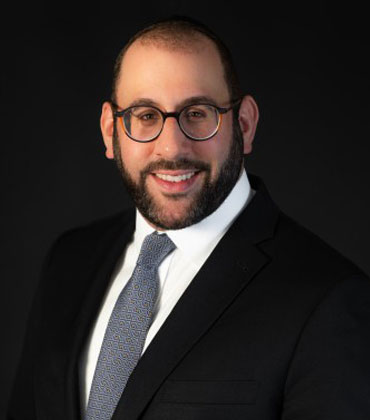
Baruch Kibel
Sales Experience that Shapes Manufacturing Workforce Development and Training
Starting inside sales gives you a 360-degree view of the whole organization, because you see how everything comes together from sales to production and everything in between. Regardless of what your eventual role is in a company, understanding what actually goes on and the process from taking an order from the customer until shipping it out to them is important to understand.
That isn’t to say that everybody loves or is made for this role. I saw quickly that this isn’t where I wanted to spend my whole career. After a few months, I pivoted to purchasing, hoping a different role would be enjoyable for my personality. Again, I learned a lot of new skills in my purchasing role as I now dealt with the other side of the aisle, which is purchasing as opposed to taking sales.
One of the biggest things I learned quickly is that not everyone is made for every role. I saw this quickly, as inside sales is an entry-level job, and many people take the role not really understanding what it is and where their actual talents lie. Being a person who enjoys connections and relationships, and also being a member of the family business, I would talk to people and forge relationships while trying to understand people’s motivations and see how they are doing in their roles and where they would want to go.
Early on, I had an interaction with a manager that was very negative. It made me think how it could be that we promoted this person to manager, lacking basic leadership skills. I then realized this is a global challenge that all companies deal with. They take the top person with the greatest technical skills and promote them to manager. Why? Because they have the technical skills, and too often we assume if they have the technical skills, they must also have the skills to lead.
Leadership Programs for Next-Gen Manufacturing Leaders
This incident with the manager was a head-turning moment for me that made me start questioning our promotion process.
On the one hand, we are a great company that has been around for over 70 years, is a family-owned company and has a great culture. People love it here and build their careers with us.
On the other hand, the interaction with this manager led me to believe we have other managers who also struggle with leadership and what it means. And then one day, this macho manager opened up to me and was very vulnerable and said, “I really want to be a better manager, but I was never taught how.” That was an “aha” moment that I took and said, “Let me help you.” This got the ball rolling and started my shift from purchasing to looking to get involved in people and culture.
“Continuous learning and coaching are important to building a strong workforce, but we have to be honest about what engagement really means in a manufacturing environment.”
I understood that to help people like this manager and others, we needed to build a robust program that would give our current and future leaders the tools to succeed. Looking for the right partner to build the program with and getting the buy-in from our leadership was crucial for this initiative. We were looking for the right partner that would be a fit for our culture, could connect with our top managers, and shop employees. It was important they understood us and were willing to invest in our folks as well, not just teach a workshop and collect a check. In-person workshops were crucial as people learn best when they are free of distraction and have the ability to focus on learning.
An additional key consideration was to find a program that wasn’t one-and-done. We were looking for a program that covered the key competencies that leaders need to learn, but also wanted to ensure that the ideas would sink in. Most workshops are places where one checks in and checks out. Our program recognized this challenge and built in coaching and check-ins to the program so that, between workshops, the participants would check in with the facilitator and discuss real-life takeaways from the lessons to help internalize what they were being taught. This ensured accountability and ensured the material was actually being absorbed.
Identifying the Skills to Succeed in Manufacturing
We work with our managers to build competencies for the soft skills and hard skills for each role in our organization. As part of our yearly reviews, we will complete the 9 Box exercise and update the competency checklist to see where our employees stand.
Our goal is to help our employees move to the right on the 9 Box, reflecting strong performance and to help them be at standard or above standard when it comes to the competencies needed for their specific roles.
Strengthening Employee Engagement with Coaching and Continuous Learning
Continuous learning and coaching are important to building a strong workforce, but we have to be honest about what engagement really means in a manufacturing environment.
At the end of the day, we process and sell steel and have a business to run. Our employees understand that, and they don't need us to dress everything up as the next great engagement initiative. What they do need is for us to be genuine.
For me, continuous learning and coaching are valuable because they demonstrate a real commitment to making our people better and giving them the tools to succeed. It means helping people become better leaders and then giving them opportunities to grow.
Our CEO is a good example of this. He continues to read, attend conferences, learn and challenge the organization. That sends a much stronger message than simply telling employees that “learning is important.” It demonstrates that continuous improvement applies to everyone, including the people at the top.
As manufacturing continues to change and face new challenges, engagement becomes less about having the perfect program and more about knowing where your employees’ heads are. Are they committed? Do they believe they have a future here?
You don't get those answers by putting another initiative on a poster.
You get them by consistently investing in people, listening to them, coaching them and doing what you say you're going to do. When employees see that the investment is genuine and not just something management is doing because it is the current flavor of the month, they are much more likely to buy in.
Building Sustainable Leadership Pipelines and Talent
Start with the “why” and be authentic. Creating this type of program “just because” is not a strategy. Companies need to think hard about what they are looking to accomplish and recognize that this isn’t easy and is not inexpensive. This takes a lot of time and resources to put this together and manage, but it has tremendous rewards and benefits if taken seriously.
And don’t forget to check-in and constantly ensure you are meeting your goals with the program. Don’t be afraid to pivot or make a change if it’s not working. But remember, patience, honestly and transparency will ensure a successful transformation of growth.
The articles from these contributors are based on their personal expertise and viewpoints, and do not necessarily reflect the opinions of their employers or affiliated organizations.

Be first to read the latest tech news, Industry Leader's Insights, and CIO interviews of medium and large enterprises exclusively from Manage HR Magazine
