
A featured contribution from Leadership Perspectives: a curated forum reserved for leaders nominated by our subscribers and vetted by the Manage HR Advisory Board.

MECU Credit Union
Developing Talent and Preparing Future Leaders
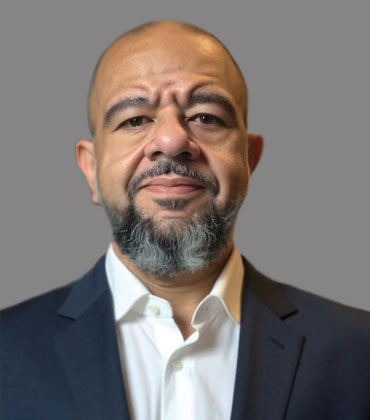
Anthony D. Daniels
After more than two decades in human resources, as a corporate trainer, organizational development consultant, training manager, and vice president in HR, I believe future leaders must be developed deliberately, not discovered by chance. Leadership readiness requires clear expectations, candid feedback, meaningful assignments and sustained collaboration among employees, managers and the organization. In banking (my native industry of employment), where trust, risk, customer service, technology and regulatory demands intersect, leaving leadership development to chance creates significant business risks.
This is particularly relevant when developing Generation X and Millennial professionals. These groups are diverse and generational labels should never replace individual assessment. Many built their careers amid organizational restructuring, rapid technological change, economic uncertainty and diminishing confidence in the traditional promise that patience alone brings advancement.
Consequently, they often seek growth opportunities that are visible, relevant and timely. However, their ambition can be misinterpreted as entitlement by managers or longer-tenured colleagues. Those responsible for developing talent must avoid this assumption. Experience is valuable, but tenure alone does not constitute a development strategy. Remaining in an organization for years should never be confused with strong performance, demonstrated capability or readiness to lead.
Start with Clear Competencies and Shared Accountability
Organizations must clearly define success at every career level for Generation X and Millennial professionals. Early-career employees need strong knowledge of products, systems, controls, documentation and customer needs. As responsibilities increase, they must develop judgment, communication, influence, coaching, strategic thinking, change leadership and risk management. Senior leaders must also protect organizational culture, develop talent pipelines, maintain regulatory governance and assess long-term business health. Without clear expectations, employees are left guessing what readiness means.
Organization-specific competency models translate broad leadership qualities into observable behaviors. Rather than simply describing someone as “strategic,” organizations should define the ability to connect market, customer, financial and risk information to recommend informed decisions.
Each career level should specify what employees must know, accomplish and demonstrate in leading people and processes. This clarity supports objective assessments, reduces subjective judgments and limits reliance on personal relationships, visibility or the tendency to favor candidates who resemble existing leaders.
Diagnose Needs Rather Than Assume Them
The second priority is diagnosing individual development needs rather than relying on age-based stereotypes. Generation X professionals may value autonomy, practical learning and efficiency while balancing significant family responsibilities. Millennials may prefer regular feedback, transparent career paths, collaboration, purpose and technology-enabled learning. However, career stage, prior opportunities, experience and personal goals often matter more than generational labels.
“By combining accountability with compassionate support, they can strengthen succession pipelines and develop capable, trustworthy leaders prepared to guide the organization's future success.”
Organizations should use multiple assessment methods to evaluate capability and leadership readiness, including competency-based self-assessments, manager evaluations, 360-degree feedback, career discussions, skills inventories, performance reviews and validated behavioral assessments. Simulations, case studies, role plays and stretch assignments can further reveal how individuals exercise judgment in practice.
No single assessment should permanently define someone's readiness. Findings should be treated as evidence and compared against the requirements of the next career level.
HR must also examine whether employees have received opportunities to demonstrate their potential. What appears to be a readiness gap may actually reflect an opportunity gap, requiring organizations to provide broader exposure and meaningful development assignments.
Blend Formal Learning with Experiences and Relationships
Formal development is valuable when targeted and connected to workplace needs. Emerging-leader programs, coaching workshops, difficult-conversation training, business simulations, tuition assistance and external courses can broaden skills and perspectives. However, classroom attendance alone does not demonstrate growth. Training without workplace application is an event, not a strategy. Learning must be reinforced through practical experience and follow-up.
Informal development often shapes leadership most effectively through mentoring, job shadowing, cross-functional projects, rotations and project leadership. Generation X professionals may appreciate immediately applicable resources, while Millennials may value coaching, collaboration, regular feedback and visible purpose. Both benefit when experienced leaders explain not only their decisions but also the reasoning behind them.
Delivery methods should match learning objectives. Interpersonal skills require practice, observation and feedback, while technical knowledge may suit concise e-learning or job aids. Virtual instruction connects dispersed teams and in-person cohorts strengthen relationships. Microlearning and mobile resources can reinforce knowledge but cannot replace demonstrated competency.
A strong development strategy combines preparation, facilitated practice, workplace application, coaching and follow-up. Managers must also protect learning time. Enrolling employees in training while treating participation as an inconvenience undermines development and limits the organization's return on its investment.
Balance Development Urgency with Current-Role Excellence
Ambitious employees may feel pressured to advance quickly, especially amid delayed promotions, organizational restructuring and visible stories of rapid success. Leaders should acknowledge this urgency while emphasizing that readiness requires sustained performance, sound judgment, reliability and constructive influence. However, strong performance should never justify keeping talented employees in the same role indefinitely.
A practical approach combines “perform” goals for current responsibilities with “prepare” goals for future roles. Employees can lead improvement projects, present to governance committees, or mentor colleagues while maintaining performance standards. Managers should establish clear expectations, monitor progress and adjust workloads to prevent development from becoming excessive additional work.
Honest coaching is equally important. Promotion timelines are not guaranteed, so managers must communicate readiness requirements, potential opportunities and external constraints. Expanded responsibilities, lateral assignments, special projects, mentoring and professional credentials can sustain progress when promotions are unavailable.
Long-tenured employees may worry that their experience is undervalued or newer colleagues are advancing too quickly. Organizations should recognize their expertise through mentoring and knowledge transfer without allowing tenure to become a barrier. Applying consistent standards, challenging generational stereotypes and encouraging reciprocal learning help employees of all ages contribute, develop and succeed together.
Conclusion
Developing future leaders requires clear competencies, individualized development, practical experience and effective learning methods. Organizations must balance timely opportunities with demonstrated readiness and consistent performance. By combining accountability with compassionate support, they can strengthen succession pipelines and develop capable, trustworthy leaders prepared to guide the organization's future success.
The articles from these contributors are based on their personal expertise and viewpoints, and do not necessarily reflect the opinions of their employers or affiliated organizations.

Be first to read the latest tech news, Industry Leader's Insights, and CIO interviews of medium and large enterprises exclusively from Manage HR Magazine
