
A featured contribution from Leadership Perspectives: a curated forum reserved for leaders nominated by our subscribers and vetted by the Manage HR Advisory Board.

Welch's
Building Growth through Talent Development
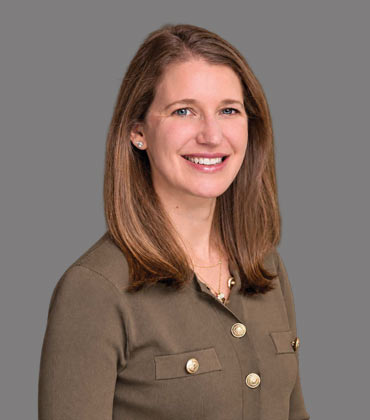
Amanda Raymond
Amanda Raymond is a strategic People and Talent Development leader with more than a decade of experience translating business priorities into impactful talent, leadership, and learning strategies. She is passionate about building future-ready capabilities through upskilling, reskilling, leadership development, and employee engagement, creating environments where people can bring their authentic strengths to work, own their growth, and deliver meaningful business results.
Aligning Talent with Organizational Goals
Talent development is the bridge between what makes each person unique and what the business needs to succeed today and in the future. It starts with truly understanding your talent, their strengths, aspirations, experiences and potential, and helping employees see how those qualities connect to organizational priorities.
Development should include both individual and shared experiences, such as coaching, mentoring, stretch assignments, peer learning and formal programs, because every person’s journey will look different. Employees must own their development, but leaders and organizations are responsible for providing clarity, access, feedback and opportunity. When people feel valued for who they are and understand how their contributions make a difference, they are more engaged, more accountable and better equipped to drive meaningful business results.
Developing Leaders for Change
Effective leadership development starts by grounding leaders in the ‘why’ and helping them understand the impact their leadership has on both people and the organization.
Organizational change is not simply a new process, structure or system; it is a human experience, and leaders play a critical role in helping people navigate uncertainty. Leaders need practical tools to translate strategy, communicate transparently, listen with empathy, and reinforce expectations consistently. I have found that development is most effective when leaders can apply what they are learning in real situations, receive feedback, reflect and adjust.
Supporting Growth at Every Stage
HR and L&D teams can strengthen engagement by avoiding generational assumptions and listening to what employees actually need at different points in their careers. Someone early in their career may want exposure, frequent feedback and opportunities to build skills, while someone later in their career may value continued challenge, flexibility, mentorship or the opportunity to share expertise.
At the same time, most employees want meaningful work, supportive leadership, recognition and a sense of growth. Offering multiple development pathways and learning formats allows people to choose experiences that are relevant to them. Engagement grows when employees have a voice, understand their opportunities and feel empowered to own their development.
Evolving Culture without Losing Identity
At Welch’s, I have learned that cultural evolution must be intentional. It requires understanding which parts of the organization’s history, identity and values continue to make us strong and which practices or mindsets need to evolve to support our future.
Not everything long-standing is a barrier, and not every new idea is automatically an improvement. The key is being clear about what we are preserving, what needs to change and why.
Trust grows when leaders communicate transparently, invite employees into the journey, listen to their perspectives, and follow through with consistent action. In a long-standing organization, people need to see that change is not about abandoning who we are. It is about building on our strengths so we can remain successful and relevant for the future.
Choosing Progress over Perfection
Stay curious, seek feedback, and choose progress over perfection. Leadership capabilities grow through practice, reflection and continuous learning, not from having every answer.
Raise your hand for opportunities that stretch you, expose you to different functions and perspectives. Staying informed about external trends is critical to remaining relevant and challenging the status quo.
When developing others, create growth with them, not for them. Provide clarity, coaching, exposure and opportunity while encouraging them to own their journey. The best HR and L&D professionals model the behaviors they hope to build in others and continually connect individual growth to the capabilities the organization will need next.
The articles from these contributors are based on their personal expertise and viewpoints, and do not necessarily reflect the opinions of their employers or affiliated organizations.

Be first to read the latest tech news, Industry Leader's Insights, and CIO interviews of medium and large enterprises exclusively from Manage HR Magazine
