
A featured contribution from Leadership Perspectives: a curated forum reserved for leaders nominated by our subscribers and vetted by the Manage HR Advisory Board.

UNIQA SEE Region
Human-Centered Strategies Driving Employee Experience
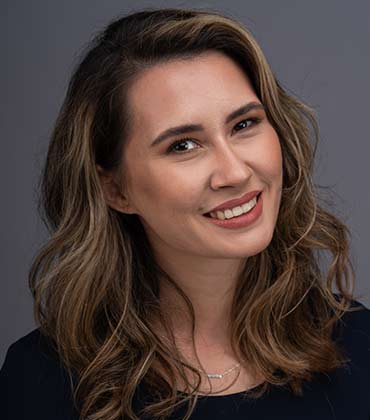
Alina Sebe
Alina Sebe, Regional Senior Leader for People Experience at UNIQA SEE, brings over 10 years of HR expertise. She drives people-focused strategies across recruitment, training, organizational development and employer branding. Her work enhances the employee experience from onboarding to retention while fostering well-being, fairness, growth and a consistent, engaging culture across the region.
Adapting Strategy Across Cultures and Laws
Tailoring the employee experience strategy across the SEE region is really about finding the right balance between consistency and local relevance. At UNIQA, we start from a set of common group-level strategies that guide everything we do, whether it's around well-being, development, or inclusion. But the real impact comes from how we bring those principles to life locally. Each country has its own cultural context, market maturity and legal specifics.
What helps a lot is the structure of our People Experience team, as we have dedicated local representatives in each SEE country. Together, we gather feedback, understand what employees truly value and adapt our initiatives accordingly, whether it’s training, recognition, leadership programs or well-being support.
Before we could talk about delivering a consistent experience across all six countries in our region, we first had to make sure our own team was aligned and moving in the same direction. Looking back, I can say that over the past year, a big part of our focus has been on building that foundation together, aligning on systems, processes and ways of working. It’s been about co-creating the basics, not just rolling out programs.
In practice, this means designing regional initiatives with built-in flexibility for local adaptation, while regularly pausing to reflect on how the implementation is going and what feedback we’re receiving from employees. For example, our learning framework combines shared core modules with local content or providers where it makes sense. The same goes for our well-being strategy; there’s a common message, but the way it's communicated and activated varies based on local needs and realities.
At the end of the day, what keeps everything grounded and evolving is open communication, cross-country collaboration and ongoing measurement, whether through surveys, feedback tools, or clearly defined KPIs. It’s a continuous journey, but one that becomes meaningful when built with and for the people on the ground.
Engagement Strategies for Hybrid Teams
To boost engagement and build a genuine sense of belonging within our diverse and hybrid teams, we’ve embraced a blend of initiatives. We know there’s always room for improvement, but seeing positive changes across key touchpoints in the employee experience truly encourages us and confirms that we’re moving in the right direction.
"The real opportunity lies in using digitalization not to replace the human touch, but to strengthen it, creating more connected, inclusive and impactful employee experiences across the see region"
One important focus has been creating a space for collaboration, especially for our regional teams. Beyond the usual team meetings and task-focused check-ins, we’ve put effort into strengthening cross-country collaboration. They are part of regional projects with impact in all 6 countries and join CommUNIties (a platform for UNIQA employees to bring their talents, ideas and skills together and to learn from each other). This way, they feel more connected to something larger, understanding how their contributions add value on a wider scale.
Our Learning, Development & Culture team is currently working on a regional recognition program designed to make sure everyone feels truly seen and appreciated. We want appreciation to be part of everyday culture.
Inclusive communication is another pillar of our approach. We pay close attention to language, timing and communication channels to make sure everyone feels included and heard. In such diverse teams spread across the SEE region, cultural sensitivity and flexibility are key to effective connection.
Last but not least, we actively encourage ongoing feedback through annual surveys, pulse checks, listening sessions, or even simple everyday conversations. While we may not always get everything perfect, staying open, responsive and adaptive has made a real difference in how engaged and included people feel.
Key Initiatives Shaping Employee Journey
Looking back on the past year, there are a few initiatives I’m really proud to have been part of. Together with the Group, we successfully launched a brand-new eLearning platform that offers accessible and engaging resources, helping employees grow and develop continuously. At the same time, we rolled out a new performance management system aimed at creating a more structured and consistent approach to performance across the region.
Another initiative close to my heart is the SEE Blue Zones Wellbeing Program. This program promotes employee well-being in simple but meaningful ways.
The launch of the annual employee survey and the regional leadership development program. These are just a few examples of the initiatives we’ve worked on together.
Of course, these projects weren’t perfect from day one. They required adjustments and reshaping along the way. When you’re launching initiatives simultaneously across six countries, challenges are inevitable. But what I’m truly proud of is the incredible team behind these efforts. Their passion, dedication and local engagement are the real driving forces that make these initiatives come to life and create impact.
Shaping the Next Era of Work
First, personalization will be a game-changer. Employees are increasingly expecting experiences that are tailored to them, whether it’s learning paths, career development, or wellbeing support. AI will help us get there by making it easier to offer relevant, meaningful opportunities at scale.
At the same time, from now on we know that employee experience isn’t just an HR topic anymore. I strongly believe leaders and managers will play an even bigger role and be held accountable for key team experience indicators like engagement, retention and well-being. It’s not just about supporting people; it’s about owning that responsibility as part of everyday leadership.
Another trend I see growing is the connection between employee experience and sustainability. People want to work for companies that reflect their values, purpose-driven organizations, act ethically and contribute meaningfully to society.
And lastly, well-being will be a core value. It’s no longer seen as a “nice-to-have”; it’s becoming a strategic pillar.
As we move forward, I believe we’ll see a strong shift toward more human-centered, value-driven and accountable leadership supported by AI, digital tools and data-driven insights. These technologies will help us better understand employee needs, personalize experiences at scale and make more informed decisions that truly enhance the overall work experience.
The real opportunity lies in using digitalization not to replace the human touch, but to strengthen it, creating more connected, inclusive and impactful employee experiences across the SEE region.
The articles from these contributors are based on their personal expertise and viewpoints, and do not necessarily reflect the opinions of their employers or affiliated organizations.

Be first to read the latest tech news, Industry Leader's Insights, and CIO interviews of medium and large enterprises exclusively from Manage HR Magazine
