
A featured contribution from Leadership Perspectives: a curated forum reserved for leaders nominated by our subscribers and vetted by the Manage HR Advisory Board.

Formaspace
Putting the Human Back in Human Resources: Aligning People Strategy with Business Growth
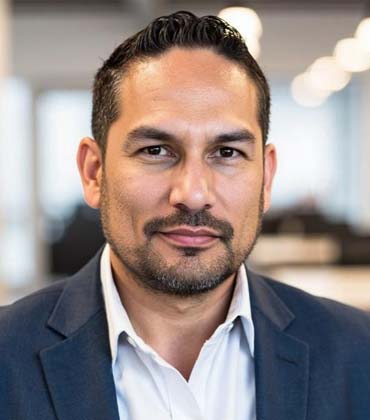
Aaron N. Campos
Aligning Workforce Strategies with Business Growth and Employee Needs
I believe HR has to understand the business just as well as it understands people. At Formaspace, I try to connect workforce decisions directly to where the company is going, including expected demand, production capacity, required skills, productivity, recruiting needs, and potential growth. Rather than simply adding headcount because the business is growing, I want us to understand where the actual constraints are and make evidence-based workforce decisions. That includes looking at bookings, backlog, labor requirements, skills, shifts, automation, and budget before determining what resources we need.
At the same time, growth cannot come at the expense of the employee experience. I try to balance business requirements with career development, training, recognition, communication, competitive compensation and benefits, and opportunities for employees to grow with the organization. My goal is for HR to be a business partner that helps the company scale while making sure employees understand where we are going, how they contribute, and what opportunities that growth creates for them.
Strengthening Employee Engagement Through Listening and Consistent Leadership
For me, engagement starts with listening and follow-through. Employees need to know that when they provide feedback, something happens with it. I believe in using regular employee communication, recognition, stay interviews, manager check-ins, career conversations, and employee listening to understand what is working and what we need to improve. Those approaches are incorporated into our HR strategy as we work to protect the culture we have already built while the organization grows.
Consistency is also extremely important. Employees pay attention to whether expectations, policies, recognition, accountability, and development opportunities are applied fairly. Culture is not created through a single event or HR initiative. It is built through hundreds of everyday interactions between employees and their managers.
I'm especially focused on maintaining that culture during growth and change. Our strategy includes increased communication and employee listening during significant changes involving processes, shifts, equipment, facilities, or organizational structure.
Building Long-Term Talent Pipelines to Attract and Retain Skilled Employees
I believe you have to approach recruiting as a long-term talent strategy rather than waiting until a position becomes vacant. At Formaspace, that means developing repeatable pipelines for skilled manufacturing, technical, sales, accounting, and leadership positions instead of relying exclusively on reactive recruiting. Our strategy includes structured job scorecards, consistent interviews, job-relevant work samples, employee referrals, targeted sourcing, and partnerships with technical schools where appropriate.
But attracting someone is only half the challenge. Retention begins the moment an employee accepts the offer. I want new employees to have structured 30-, 60-, and 90-day onboarding, defined expectations, training, manager checkpoints, and a clear understanding of how they can succeed.
Longer term, employees need to see a future with the company. Career paths, cross-training, professional development, recognition, competitive compensation and benefits, strong managers, and opportunities for advancement all matter. That is why I view recruiting, onboarding, development, engagement, and retention as one connected talent lifecycle rather than separate HR programs.
Developing Leaders to Foster Accountability and Workforce Performance
I see leadership development as one of HR's highest-leverage investments. You can have great policies and systems, but the employee experience is heavily influenced by the quality and consistency of an employee's manager.
“Good HR is not simply about advocating for the employee or protecting the company. It is about finding solutions where employees and the business can succeed simultaneously.”
At Formaspace, our strategy is to strengthen our supervisor and manager pipeline, identify coverage for critical positions, develop future leaders, and increase our leadership capacity as the company scales. We are also building toward structured manager training, succession planning, skills development, cross-training, and measurable performance expectations.
Accountability is an important part of that. I don't view accountability as punitive. Good accountability means people understand what is expected, receive feedback on how they are performing, have the resources and training necessary to succeed, and know where they need to improve. Our strategy calls for aligning company, departmental, and individual goals and using regular check-ins and measurable outcomes to identify barriers, development needs, succession opportunities, and workforce investments.
Ultimately, developing better leaders creates better teams, and better teams create stronger business results.
Advancing HR Leadership Through Business Acumen and Professional Credibility
My biggest advice would be to learn the business, not just HR.
Understanding employment practices and HR fundamentals is essential, but if you want to become an HR leader, you also need to understand how the company makes money, what drives its costs, how operations work, where talent constraints affect performance, and what leadership is trying to accomplish. That allows you to move from administering HR programs to helping solve business problems.
I would also recommend gaining experience across as many areas of HR as possible: recruiting, employee relations, benefits, compensation, compliance, HR systems, performance management, training, and workforce planning. Then develop the analytical and communication skills to translate all of that into recommendations that leadership can act on.
Finally, build credibility by being consistent. Protect confidentiality, follow through on commitments, listen before making assumptions, make decisions based on facts, and don't be afraid to have difficult conversations professionally.
I've learned that good HR is not simply about advocating for the employee or protecting the company. It is about finding solutions where employees and the business can succeed simultaneously. As my LinkedIn tagline says "Putting the Human back in Human Resources".
The articles from these contributors are based on their personal expertise and viewpoints, and do not necessarily reflect the opinions of their employers or affiliated organizations.
