
Manage HR Magazine: Specials Magazine
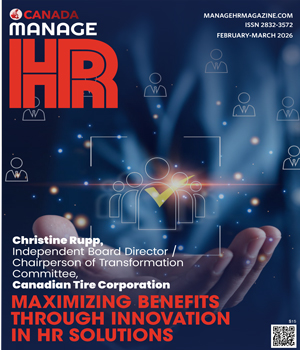
Christine Rupp is an accomplished HR professional with 20 years of experience in talent management, employee development, and strategic leadership. She began her career as an HR representative in the consumer packaged goods industry, focusing on performance appraisals, onboarding, talent acquisition, and coaching managers. She was key in implementing a new HRIS system and led learning and development initiatives across Canada, the US, and Mexico. Transitioning to an HR manager role in the footwear and apparel industry, she supported distribution and manufacturing while beginning her people leadership journey. Christine then became the HR lead for an HVAC and refrigeration company, overseeing employees including highly technical service teams. Her diverse industry experience and strategic approach to HR leadership have shaped her expertise in employee engagement, operational efficiency and organizational growth. In an interview with Manage HR Canada, Christine Rupp highlights Canadian Tire Corporation's commitment to innovative HR solutions, maximizing benefits utilization and staying ahead of trends to remain an employer of choice. Can You Describe Your Daily Responsibilities And Key Focus Areas As An HR Business Partner At Canadian Tech Corporation? As an HR business partner at Canadian Tech Corporation, I provide strategic HR solutions to support the business. My client groups rely on me to help interpret policies and procedures, resolve challenges and drive HR-related initiatives. Beyond advisory responsibilities, this position involves a significant amount of project work.
Keynote Speaking
A senior executive spent weeks pursuing a high-value prospect. Messages were refined, follow-ups were made and despite their best efforts, no response was received. The prospect’s silence felt like rejection and each new attempt at outreach the executive made risked turning them into an unwelcome guest. What moment illustrates how Shawn Casemore helps leaders break stalled sales conversations? Everything shifted with one small change. During Shawn Casemore’s keynote, the CEO learned of a simple outreach script and decided to try it in real-time. Thirty-five minutes after sending it, while the keynote was still underway, they received a positive response from their prospect. What core sales methodology does Shawn Casemore use to build predictable sales momentum? This outcome captures why Casemore’s work resonates with senior executives, sales leaders and their sales teams. A globally recognized keynote speaker, sales trainer and consultant, he helps teams build predictable, repeatable sales systems through his Unstoppable SalesSM Method. Organizations turn to him when they need skills and methods that shift stalled sales conversations into new selling opportunities. His keynotes and breakout sessions blend energy with practical tools that sharpen sales skills, strengthen influence and reshape sales cultures. Casemore’s approach stands out because he invests time inside organizations, coaching and training sales professionals and leaders. His proximity to the front lines of selling provides him a clear view of what succeeds, what stalls and which strategies deserve attention. His work with sales teams from around the world, including most recently Australia, South Africa, Mexico, Canada and the United States, ensures his methods and teachings are grounded in real-world results. When Shawn steps on stage, he brings field-tested processes and methods that hold up for new and experienced sellers. How does Shawn Casemore tailor keynotes to reflect each organization’s real sales conditions? What’s unique about Casemore’s approach is that every keynote begins long before he arrives at the event. He interviews his audience beforehand — tenured performers, new hires, top producers and those who are struggling. Speaking to a wide range of voices gives him a picture of the team’s existing strengths, gaps and expectations. He expands this view by meeting with leaders across various departments, including HR, finance and operations. “The conversations with the sales team and across departments reveal how the broader organization impacts sales efforts, because selling improves when everyone understands how their role shapes the customer’s experience, “says Casemore. The keynote that follows reflects real conditions inside that company. Additionally, the messages, techniques and activities inside the keynote push participants to apply the ideas to their work, so they leave with clarity on next steps, rather than abstract takeaways. Casemore also develops customized videos for after the event, highlighting key messages and ensuring continued momentum and enthusiasm for when attendees return to their busy schedules. These additional resources help to convert good intentions into new habits, which is where many keynotes fall short. Most speakers deliver a strong session and move on. Casemore designs his keynotes so people remember what they learn and start applying new techniques immediately. What organizational outcomes result from Shawn Casemore’s approach to sales leadership engagement? The methodology Casemore uses creates visible change inside organizations. In one firm, only a few employees held formal sales roles, while many of the company’s project managers interacted with clients daily. Casemore’s keynote engaged all groups across the company, demonstrating how long-term growth and success relied on shared responsibility, bridging various roles, their impact on customers and the resulting outcome on sales. As a result, the company experienced an increase in sales over the coming months because more people understood how to support new revenue generation, rather than simply leaving it to those with formal sales titles. Casemore organizes many of these insights in his newest book, The Unstoppable Sales Prospecting System, which is available through major booksellers. It shares how to earn attention, book meetings and win new business. One of his signature keynotes draws from this work, providing teams with a clear prospecting path they can start using immediately. His message carries extra weight in a moment shaped by rapid advances in technology and AI. He acknowledges the value these tools bring but reminds audiences that people still buy from people. Technology can support prospecting activities, but it cannot replace the trust built through human connection. His keynotes show how to use tools with intention while protecting the relationships that drive decisions, a principle he models by listening to teams first, learning how they work, tailoring his message and staying connected after the event. Casemore brings clarity to what is often perceived as one of the most misunderstood functions in any organization. Executives’ trust is approached because it delivers measurable results, energizes teams and turns stalled or declining sales into Unstoppable SalesSM opportunities.

Corporate LMS
Across most organizations, content fragmentation makes it difficult for learning and development teams to reuse, update, and govern training at scale, as authoring, review, storage, and delivery tools often operate independently. As programs grow, this fragmentation slows updates, increases duplication, introduces inconsistencies, and raises governance and compliance risk—particularly for regulated, technical, or frequently changing content that must scale across audiences, devices, languages, and regulatory environments. How does content fragmentation affect the efficiency of learning and development teams? dominKnow | ONE was built to address this fragmentation by treating learning content as a single, reusable enterprise asset. Shifting trade dynamics and a renewed focus on domestic suppliers have prompted Canadian organizations to re-examine how and where their technology platforms are built and supported. In that context, dominKnow’s Canadian foundation—paired with its global reach and established leadership in the LCMS and content authoring space—has taken on increased significance for buyers. How does dominKnow differentiate itself in the marketplace? To support organizations managing learning content at scale, dominKnow developed dominKnow | ONE. The platform’s single-source architecture brings together advanced authoring and enterprise-grade content management, helping teams work more efficiently without losing control. “dominKnow | ONE helps organizations create employee value by making learning easier to create, manage, and evolve at scale,” said Geoff Surkamer, CEO. “By eliminating duplication and loss of control, teams can focus on delivering learning that actually improves employee capability and performance.” The platform supports the full content lifecycle—from collaborative design and authoring to localization, publishing, and ongoing updates—while eliminating fragmentation and rework. As a result, dominKnow | ONE provides a cohesive environment that helps teams work more efficiently at scale.
Talent Management
Workplace Culture
Tiffany Bliley, Director of Talent Acquisition at EQ Bank | Equitable Bank
Health Insurance Brokers
Transformation of Workplace Group Benefits
MaryAnn Osas Omoregie, Director, Payroll & Benefits, Rexall Pharmacy Group ULC
Employment Law

Beyond Tokens: the Evolution of Corporate Gifting Strategies
Kelly Cotton, Vice President Human Resources, Colas Canada Inc
Employment Law
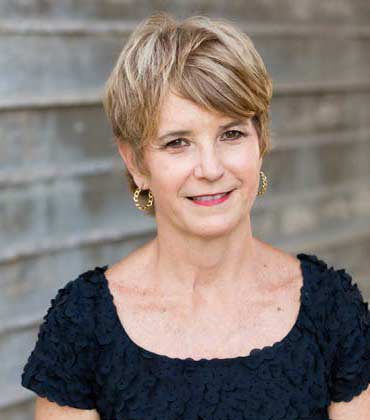
Driving Innovation in the Changing Landscape of Leadership Development
Liz Volk, Chief Human Resources Officer, Longo
Employment Law

Building a Resilient and Future-Ready Workforce in Fresh Produce
Lui Lanzillotta, Director, Human Resources, Burnac Produce
Workplace Safety
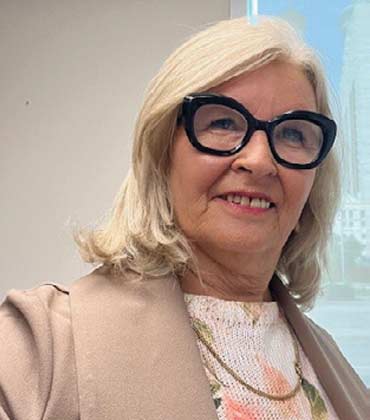
Positive Workplace Cultures with AI
Dianne Stefanko, Director, Employee Relations & Safety, the North West Company
Employment Law
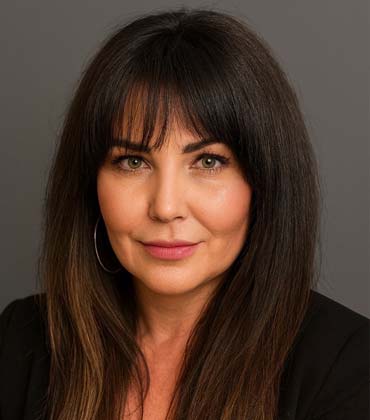
Driving Performance through a Culture of Learning and Leadership Development
Kristina Cole, Director, Learning and Development, Go Auto
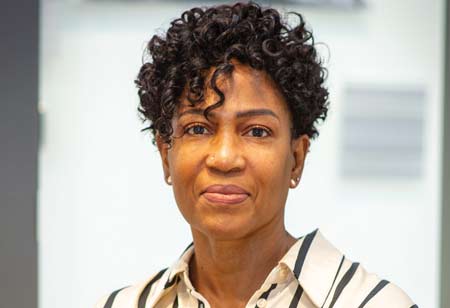
IN MY OPINION
Learning and Development
Fostering Inclusion and Belonging: Start with Mental Health and Leadership
Beverley Downer, Director, Human Resources, Russel Metals

LAST WORD
Employment Law Firm
How HR Can Drive Strategic Initiatives in Times of Uncertainty?
Renata Mattos, Human Resources Director North America, Leggett & Platt Automotive
IN FOCUS

Driving Sales Success: The Role of Keynote Speakers in Canada's Business Landscape
Sales keynote speakers in Canada drive performance alignment through strategic insight, customization, digital adaptability and immersive learning experiences that benefit stakeholders.

Empowering Digital Learning with Cloud-Based Learning Content Management Systems in Canada
Canada’s cloud-based learning content management systems grow through remote learning demand, digital transformation, and skills development, while tech, trends, and challenges shape accessible, efficient, and scalable education.
EDITORIAL
Systems that Strengthen People and Performance
Workplace performance now depends on how effectively organizations align learning systems, leadership accountability and cultural restoration. This edition of Manage HR Magazine examines companies and HR leaders who are building structured environments where growth, resilience and measurable outcomes reinforce one another.
Recognized as the Top Cloud-Based Learning Content Management System 2026, dominKnow anchors this issue. Through dominKnow|ONE, the company unifies content authoring, collaboration, and enterprise LCMS functionality within a single-source architecture. By eliminating duplication, centralizing governance and embedding accessibility standards, the platform enables organizations in regulated and technical industries to manage learning content as a reusable enterprise asset.
Restoring stability when conduct disrupts workplace relationships defines Sensitivity Training Canada, recognized as Top Workplace Restoration Sensitivity Training Service 2026. Its behavior-focused methodology addresses communication breakdowns, accountability and self-regulation, helping organizations retain valued talent while reducing legal and reputational risk. In revenue generation, Shawn Casemore is recognized as the Top Sales Keynote Speaker in Canada 2026. His Unstoppable Sales methodology combines pre-event diagnostics, practical tools and post-keynote reinforcement to convert stalled conversations into measurable sales momentum.
Extending this leadership focus, Sabrina Isidore, Human Resources Director and Partner at Akonovia, is recognized as one of the Top Directors of Human Resources 2026. She has built and reinforced an HR infrastructure designed to scale with organizational growth, combining workforce analytics, structured employee check-ins and succession planning with executive partnership.
The broader HR lens in this issue reinforces how culture and performance intersect. Renata Mattos of Leggett & Platt Automotive emphasizes HR’s role as a strategic partner during uncertainty, strengthening resilience through communication and cultural integration. Beverley Downer of Russel Metals outlines structured IDEA initiatives that embed inclusion, equity and accountability into daily operations.
When learning architecture, behavioral accountability and leadership discipline operate in concert, organizational performance becomes sustainable rather than reactive. We invite readers to examine how these systems and strategies are reshaping human capital management for long-term resilience and measurable impact.

Be first to read the latest tech news, Industry Leader's Insights, and CIO interviews of medium and large enterprises exclusively from Manage HR Magazine
