
Manage HR Magazine: Specials Magazine
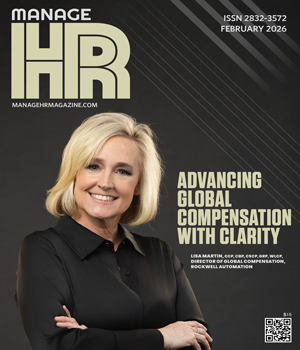
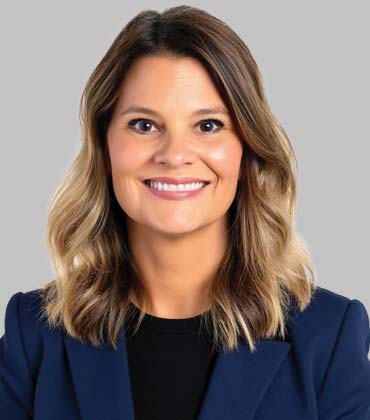
Lisa Martin brings 25 years of compensation experience. She is the Director of Global Compensation at Rockwell Automation, where she leads a 15-member global team responsible for compensation strategy, M&A integration, regulatory alignment, rewards and recognition, and market competitiveness. With more than 15 years at Rockwell and extensive international experience, she brings a strategic, global, and people-centered approach to rewards design. A Career Shaped by Global Perspective I have been with Rockwell Automation for more than 15 years, progressing from managing global compensation to leading the company’s worldwide compensation function. My journey here began after working abroad, and those experiences shaped how I think about global frameworks, cultural nuances, and the value of consistent standards. Today, I lead a team of more than 15 compensation professionals. Compensation continues to evolve with new technology and platforms, and I enjoy finding ways to simplify processes while supporting Rockwell Automation’s global growth. I have always loved the dynamic nature of compensation, especially the challenge of making complex global programs easier, more consistent, and more impactful. Continuous learning has always mattered to me. Besides holding a Master’s degree, I hold five WorldatWork certifications and remain involved in the profession by serving on the Aon Hewitt Manufacturing Engineering Council and the Global Compensation Council hosted by the Conference Board. These roles help me keep pace with best practices and maintain a broad perspective, especially as our company expands and expectations shift.
Executive Search
While an executive transition could be viewed as a leadership crisis for a nonprofit organization, Third Sector Company approaches the situation as a pivotal opportunity in the evolution of charities, associations, and congregations. From the firm’s perspective, interim leadership is not merely a temporary HR solution but a professional discipline that helps organizations methodically turn leadership transitions into opportunities to shape their next chapter of service to the communities they serve. How does Third Sector Company reframe nonprofit executive transitions as strategic moments for organizational evolution? This framing carries weight in the nonprofit sector as leadership transitions unfold amid tighter funding, greater public accountability, and rising community expectations. With fewer than 25 percent of nonprofits maintaining formal succession plans and employee turnover nearing 29 percent annually, executive departures expose gaps that can either destabilize an organization or reposition it for long-term relevance. What role does Third Sector Company play in preparing and deploying interim nonprofit executive leadership? “Our work centers on offering a national academy that teaches strategic transitional leadership to career nonprofit professionals and deploying our graduates as interim executives to guide organizations through deep change and toward the right long-term hire,” says Jeffrey R. Wilcox, president and chief mission advancement officer.

Leadership Development
In the past 10 years alone over 10,000 books and 100,000 articles have been written about leadership. How does one navigate this mass amount of data and prepare themselves for how they can best lead? Effective leadership begins with leaders understanding themselves and the people they lead, a human-centered approach that remains an essential requirement even in data- and AI-driven environments. Organizations are run by people. That perspective has guided The Abelson Group since its founding in 1986. The firm delivers human-centered leadership development through training programs, consulting, and psychological assessments. It supports organizations across more than 20 industries with in-person and online learning, professional certifications, and integrated solutions spanning HR strategy, team development, and organizational planning. Michael Abelson, CEO and president, brings a practical approach grounded in academic rigor and real-world experience. Trained as a clinical psychologist (with an MA) and business (with an MBA and a PhD in business management), Abelson is a former practicing clinician and retired Professor Emeritus who spent more than 30 years at Texas A&M University, where he also served as the first director of the Master’s in Human Resource Management program. His work focuses on helping leaders understand their behavior, the people they lead, and how those dynamics shape judgment and decision-making. While data, systems, and AI increasingly influence outcomes, Abelson maintains that leadership judgment, self-awareness, and ethical responsibility still need the human element. That view reflects nearly 50 years of applied consulting experience and what he has heard via 100s of extensive professional certifications he has facilitated in behavioral science, motivation, and emotional intelligence. This experience is the foundation of the firm’s work on leadership, AI use in the workplace, and workforce decision-making.
Leadership Development

Building a Strategic Executive Search Partnership
Tanya Lulloff, GPHR, Global Director-HR, Kohler Co
Employee Relation
Building Positive Relationships and Trust in HR Leadership
Terrell McCray, Human Resources Director, NFI
Executive Search
Navigating Challenges and Trends in Health Insurance Leadership
Alan Derow, Sr. Manager, Benefits, Irvine Company
Leadership Development

Practicing Change Management Effectively
Steven Fretwell, Senior Vice President, Learning and Leadership, Bozzuto
Organizational Development
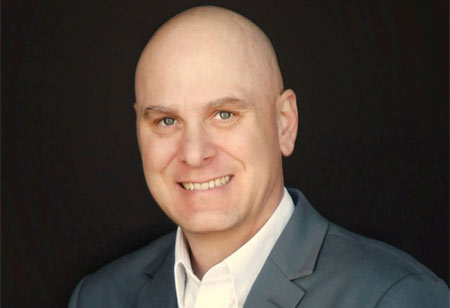
Strategizing HR as a Force of Change
Linda Nedelcoff, Executive Vice President, Corporate Strategy and Human Resources, TruStage
IN MY OPINION
Labor Law Poster Compliance
Acknowledging and Overcoming the Leadership Know-Do Gap
Jeff Charron, Director, Learning and Organizational Effectiveness, Pratt & Whitney

LAST WORD
Leadership Development
Decoding Skills Taxonomy, Ontologies, and Competencies in L&D
Heather Torres, Director of Learning and Development, Brown & Brown
IN FOCUS

Navigating Change: The Role of Interim Executives in Nonprofit Leadership
Professional interim executive placement services offer nonprofits a source of experienced leadership, operational stability, and objective assessments of the strategic future within an executive window.

Empowering Leaders: A Strategic Approach to Organizational Excellence
Strategic leadership training is a vital investment that drives organizational resilience, innovation, and quantifiable business performance improvements.
EDITORIAL
The New Standard for HR Leadership and Accountability
In an environment shaped by workforce volatility, rising expectations of leadership accountability, and increasing complexity in people systems, this edition of Manage HR examines how organizations are strengthening leadership practice, reward structures, and resilience. The focus is clear: disciplined leadership behavior, evidence-based people decisions, and systems that translate intent into sustained performance.
The Abelson Group, recognized as Top Leadership Training Services 2026, strengthens leadership effectiveness through a human-centered, assessment-driven approach rooted in behavioral science. Through assessment-driven methodologies, the firm helps leaders understand their own behavior, how it shapes decision-making, and how leadership actions influence organizational outcomes. By emphasizing self-awareness, ethical judgment, and accountability, The Abelson Group supports organizations navigating change while maintaining consistency in leadership behavior and workforce trust.
Alongside this, Third Sector Company, recognized as Top Nonprofit Interim Executive Placement Service 2026, reframes executive transition as a disciplined leadership practice rather than a temporary disruption. Through its structured interim leadership framework and national academy, Third Sector Company enables nonprofits to sustain momentum, restore clarity, and prepare for long-term leadership success amid constrained resources and heightened scrutiny.
Jeff Charron, Director, Learning and Organizational Effectiveness at Pratt and Whitney explores the disconnect between knowledge and action, highlighting how organizational culture and unconscious behavior can prevent insight from translating into consistent leadership practice. In parallel, Heather Torres, Director of Learning and Development at Brown & Brown, brings clarity to the evolving language of capability development, decoding how skills taxonomy, ontologies, and competency models provide structure for upskilling and informed talent decisions.
Together, the stories in this issue underscore a central truth. Sustainable people leadership is built on clarity, disciplined execution, and systems that reinforce trust. Readers are invited to explore these perspectives and engage with the organizations shaping the future of HR leadership.

Be first to read the latest tech news, Industry Leader's Insights, and CIO interviews of medium and large enterprises exclusively from Manage HR Magazine
