
Manage HR Magazine: Specials Magazine
Inclusion isn’t an item on a checklist—it’s a shift. Yet, in today’s corporate landscape, many DEI efforts rely on standardized programming and compliance-driven initiatives that fail to reflect the real dynamics of the workplace. AGB Consultores was built to close that gap. In a space crowded with templated solutions and surface-level training, the Mexico-based firm takes a radical approach to co-creating strategies that speak to each company’s culture, workforce dynamics and growth stage. Its work goes beyond compliance or buzzwords to build inclusion that feels real, relevant and rooted in everyday business life. “We don’t just deliver what the client wants to hear. We help them discover what their workforce needs to grow,” says Cecilia De la Vega, founding partner. The philosophy runs through every workshop, panel and policy session that AGB Consultores leads. Rather than following a fixed playbook, it acts as a partner, adapting its content, format and delivery to match where each client is in their inclusion journey. Whether engaging frontline workers on the night shift or helping executives move beyond checkbox diversity, the goal is the same; build spaces where difference isn’t just acknowledged, but valued. The model blends three core strengths—tailored solutions, workforce fluency and impactful delivery. Each program is co-designed to reflect company values and real-world context and constraints. AGB’s sessions are designed to engage. Interactive and resonant, they use language and examples that feel native to each organization. The delivery is lively and precise, often humorous, always thoughtful, and tailored to the audience context, from C-suite executives to regional warehouse teams. Their lasting impact has made AGB the provider of choice for companies across sectors, with word of mouth and repeat engagements driving its continued growth. One of AGB’s clients, Luz Delgado from Yichang (Peru), shares how its approach made a difference in their work space: “At Yichang, we began our journey alongside AGB on International Women’s Day 2023, and since then, each collaboration has been a transformative experience. Thanks to their closeness, knowledge, and warmth, we have been able to build safer, more empathetic, and more diverse spaces for our people.”

Payroll
Many global companies look to Brazil for growth, but the country’s labor system isn’t built for easy navigation. Success here requires more than internal HR. It takes a partner with real command of the local regulatory landscape. That’s where Wide Brazil (widebrazil.com) plays its part. As the employer of record (EOR), Wide Brazil applies regulatory command and international business fluency to turn labor laws, tax codes and business norms into structured workflows that support compliant hiring, payroll and onboarding. That clarity comes from a single, critical advantage: ownership. While most global EORs depend on third-party networks, Wide Brazil is 100 percent Brazilian-owned and operated, with full control over every aspect of service delivery. From hiring and onboarding to payroll execution and recruitment, everything is managed in-house by local experts who track legal changes in real time and resolve compliance issues before they reach the client. “Keeping every function under one roof, we ensure speed, accuracy and accountability. Clients gain not just operational efficiency, but the transparency and legal precision they need to scale in Brazil with complete confidence,” says Jose Roberto Araujo Filho, founder. This matters most in payroll, where timing is everything. While global providers take up to three weeks to process payments under Brazilian standards, Wide Brazil completes the cycle in just two days using advanced digital systems. That speed gives clients the flexibility to make mid-cycle adjustments, such as bonuses, commissions or reimbursements, without disrupting operations or risking noncompliance. It’s not just fast. It’s near flawless. With an estimated error rate of just 0.0001 percent, Wide Brazil delivers a level of accuracy that reflects deep alignment with Brazilian labor laws, minimizing exposure to penalties, audits and costly corrections. One international client—a fast-growing Asian company—entered Brazil with limited knowledge of its labor laws, only to discover that local requirements like the 13th salary, mandatory bonuses and union-driven benefits differed drastically from their home regulations. Rather than risk noncompliance, they turned to Wide Brazil to fully outsource payroll, hiring and labor law management. Within weeks, Wide Brazil onboarded 50 employees on their behalf, ensuring every contract met Brazilian legal standards. With zero regulatory setbacks and seamless day-to-day operations, the company has continued to grow its footprint in Brazil, relying on Wide Brazil as its local HR backbone.

Diversity and Inclusion
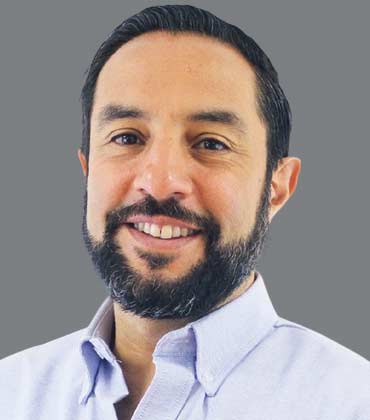
Dive into the World of Human Resources
Alejandro Tavera, Human Resources Sr. Director, Workwear Outfitters
Diversity and Inclusion
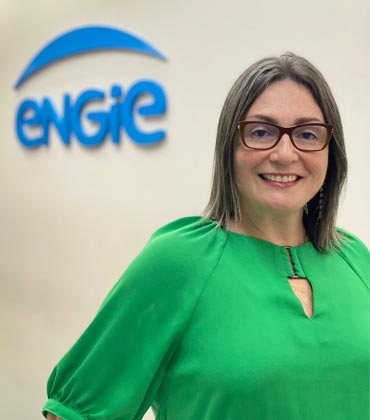
Inclusion in our Plans for Diversity in our People: a Roadmap for Latin America
Erika Zoeller, Head of Diversity, and Inclusion, ENGIE Brasil
Diversity and Inclusion

The Importance of Inclusion and Diversity in Business
Ana Paula Trueba, Area Director of HR Mexico, Belmond
Diversity and Inclusion
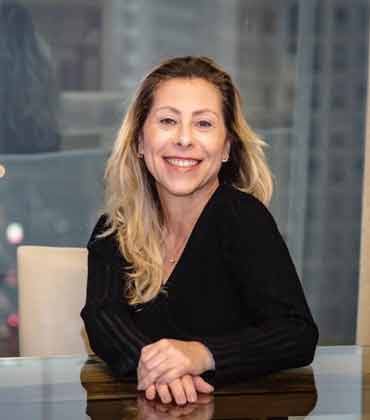
Creating Long-Term Solutions for Organizational Development
Carla Zeitune, Head of HR, Banco Daycoval
Diversity and Inclusion
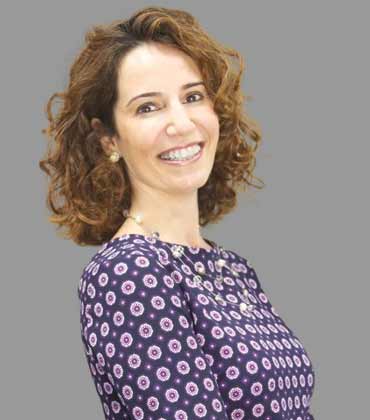
Personalization on Employee Journey & Implications
Tatiana Sereno, HR Vice President, Diageo
Diversity and Inclusion
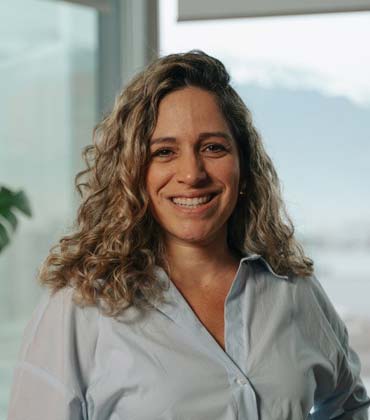
When Leadership is Crucial to Foster Business Growth as We Shape Career Opportunities/Enhance Talents
Danielle Santangelo, Human Resources Director LATAM, Envista Holdings Corporation
Professional Employer Organizations
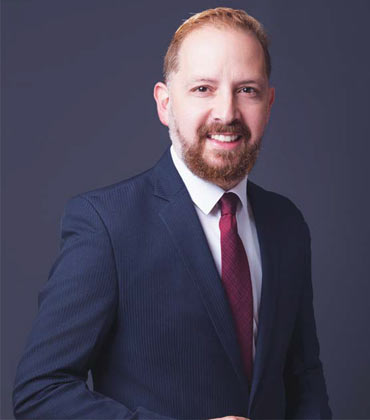
Ensuring Talent Strategy Drives Culture, Care and Business Growth
Faber Zapata, Director of Human Resources and Organizational Development, Las Galias Construction
Professional Employer Organizations
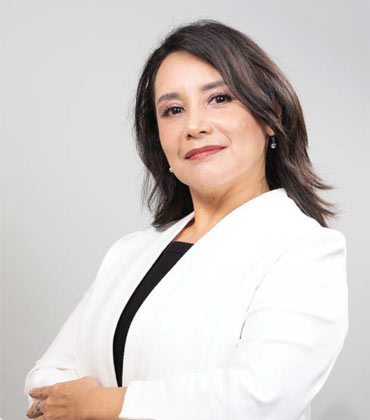
Building Inclusive Workplaces That Drive Long-Term Growth
Mariana Velazquez, HR Director, AKWEL
Professional Employer Organizations
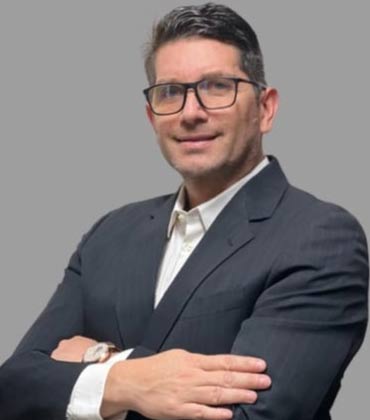
Elevating Payroll's Role in Reshaping Employee Experience
Alexander Cruz Saenz, Director, International Payroll, Hyatt Hotels Corporation [NYSE: H]

IN MY OPINION
Professional Employer Organizations
Nurturing Success through Diversity, Inclusion, and Equity in Talent Management
George Paiva, Head of HR LAM, Orange Business

LAST WORD
Diversity and Inclusion
Promising Future In The Search For Psychological Safety In Companies
Daniel Arouca, Senior HR Director, Colgate-Palmolive
IN FOCUS

Rise of Diversity and Inclusion Services in Latin America
Diversity and Inclusion in Latin America is evolving into strategic organizational priorities, driven by globalization, youth expectations, and AI technologies, fostering inclusive workplaces and addressing various societal inequalities.

Payroll Evolution in Latin America: Aligning Services with Business Growth
Adaptive payroll services are advancing with technology, enhancing compliance and efficiency. Key trends include automation, AI integration, and flexible solutions for varying organizational needs.
EDITORIAL
Inclusion, Talent, and Leadership in Latin America’s Evolving Workforce
Organizations across Latin America are navigating profound cultural and operational shifts—where people strategy is no longer a supporting function, but a core driver of growth and resilience. As markets transform and talent expectations evolve, forward-thinking HR leaders are reshaping how companies manage inclusion, develop careers, and build workplaces where employees can thrive.
This edition of Manage HR Latin America explores how inclusion and talent development are becoming twin pillars of organizational resilience and growth. As companies across the region respond to shifting demographics, geopolitical pressures, and increasingly diverse workforces, many are rethinking their DEI strategies—not as standalone initiatives, but as integrated, business-aligned imperatives. At the forefront of this evolution is a growing emphasis on leadership, cultural context, and organization-wide engagement.
Featured within as cover story is AGB Consultores, led by founding partner Cecilia De la Vega—a DEI consulting firm reshaping how inclusion is built from the inside out. In a landscape often dominated by templated programs and compliance-first approaches, AGB offers a radically different model rooted in strategic empathy, cultural fluency, and co-created solutions. From executive boardrooms to 3:00 a.m. workshops on the factory floor, the firm partners with companies to embed inclusion into daily operations— creating spaces where difference is not only acknowledged, but deeply valued.
Also featured in this issue are Ana Paula Trueba, Area Director of HR Mexico at Belmond, and Danielle Santangelo, HR Director LATAM at Envista Holdings Corporation, who each offer a unique perspective on aligning people and performance. Trueba shares how multiculturalism and inclusive training initiatives are helping shape a culture of belonging in a global hospitality context, while Santangelo outlines how leadership, career mobility, and organizational design work together to create a sustainable talent pipeline in the healthcare and life sciences sector.
Throughout this issue, readers will find actionable insights from HR leaders across industries who are advancing people-first strategies—from fostering multicultural belonging to scaling agile organizational models. Whether building stronger leadership pipelines, designing inclusive training experiences, or aligning HR with long-term business strategy, the message is clear: organizations thrive when people are empowered to lead, grow, and belong.

Be first to read the latest tech news, Industry Leader's Insights, and CIO interviews of medium and large enterprises exclusively from Manage HR Magazine
