
A featured contribution from Leadership Perspectives: a curated forum reserved for leaders nominated by our subscribers and vetted by the Manage HR Advisory Board.

Gilead Sciences
Building Resilient Teams through People-First Leadership
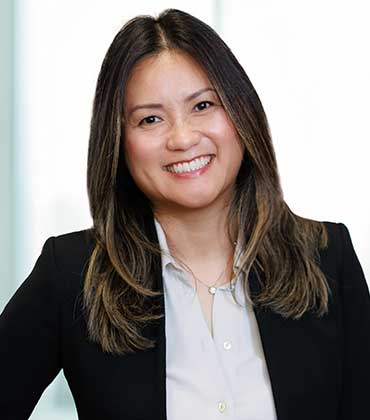
Jessica Chang
Jessica Chang is Head of HR Canada with nearly two decades of experience across IT, healthcare and pharmaceuticals. She leads local, regional and global HR strategies. Jessica balances business performance with people-first leadership. She drives talent, culture, DEI and future-of-work initiatives, empowering organizations through resilient, high-performing teams.
Recognizing Chang’s leadership in people-first HR across local, regional and global operations, this interview explores how a philosophy grounded in empathy, transparency and trust drives innovation, talent development and organizational resilience, enabling employees to thrive while achieving sustainable business outcomes.
AT A GLANCE:
• Empathy as Strategy – Leading with empathy allows HR to understand employee perspectives, build trust and create adaptable, resilient teams.
• Leadership through Service – Removing barriers and creating support structures empowers employees to focus on performance, growth and innovation.
• Technology Enhances, Not Replaces – Leveraging AI and digital tools enables HR to anticipate needs, streamline processes and strengthen employee experiences.
Navigating workplace challenges: Fostering growth through compassionate leadership.
I’ve come to see leadership as a daily practice of meeting people where they are within the broader realities of their organizations, cultures and environments. The pandemic reinforced that truth. It reminded us that adaptability is essential. That experience reshaped how I think about supporting both people and businesses in moments of disruption.
For me, leadership starts with empathy, curiosity, transparency and trust. These abstract values guide my conversations and choices. I try to remove barriers and create structures that clear the way forward. That means being candid about constraints, honest about expectations and equally committed to aligning individual growth with organizational direction.
I see leadership as less about judging performance and more about understanding context, how people are experiencing the business, not just how they produce within it. That perspective matters whether the challenge comes from a global disruption like COVID or personal circumstances at home.
I’ve learned that success depends on balance: providing clarity while listening deeply, being upfront about challenges while showing flexibility and keeping priorities aligned without losing sight of the human realities beneath them. Leadership is about creating an environment where people feel supported, informed and empowered to succeed.
How leadership shapes innovation: Empowering employees to thrive
Early in my career, when leading a sales team, I learned a lesson that shaped everything that followed: driving results means little without understanding people, their perspectives, motivations and challenges. That realization drew me toward HR and why I’ve stayed committed to the human side of work.
Across different organizations, I’ve seen how adapting to the business model and understanding objectives is only part of the equation. What truly sustains performance is connecting those objectives with how people experience their work. For me, HR has always been about meeting employees where they are, aligning engagement, performance and development with the broader direction of the business.
“Standing up for employees, even when uncomfortable, builds trust and long-term resilience. When people feel supported, they stay engaged, motivated and committed to the organization’s success.”
Culture becomes the deciding factor in industries like pharmaceuticals, where the stakes are high. In such environments, effective leadership must intentionally shape and sustain a positive culture - one that keeps performance at the forefront while nurturing connection, creativity, and energy. When that balance is achieved, employees are not just productive; they are motivated, empowered, and able to thrive in the long run.
Leadership driving innovation and impact: Removing barriers for growth
My leadership philosophy is rooted in servant leadership. I focus on removing barriers so people can thrive. Employees come to work to perform and contribute, not to get lost in payroll issues, administrative delays or processes that slow them down. They can channel their energy into what matters most when those hurdles are cleared.
Over time, I’ve seen how HR becomes a connector inside any organization. It bridges people, teams and strategy by creating spaces where issues surface and solutions emerge. I believe in giving employees a voice, whether through forums, surveys or task forces and then acting on what we hear. Meeting people where they are allows us to co-create answers that work for individuals, teams and the larger organization.
A people-first mindset guides me. Advocacy is at the center of that approach. Standing up for employees, even when uncomfortable, builds trust and long-term resilience. When people feel supported, they stay engaged, motivated and committed to the organization’s success.
I’m also excited about how technology, particularly AI, reshapes HR. It’s not about replacing the human element but about enhancing it. In complex, global organizations, AI sharpens decision-making, anticipates employee needs and helps us design better experiences for growth and development.
Looking ahead, I see career growth expanding far beyond the corporate ladder. Employees today benefit from short-term projects, cross-functional work and even international rotations. Exposure to different disciplines, including finance, legal, HR and operations, prepares them to become well-rounded leaders. I’ve learned that resilience, adaptability and connection across functions matter as much as technical expertise.
The future of leadership is about cultivating that balance: equipping people with opportunities, connecting them to the right experiences and building a workforce ready for whatever comes next.
Talent strategy with purpose: Retaining teams through meaningful growth
I’ve learned that alignment with an organization’s mission and philosophy keeps people committed from a talent perspective. Employees stay when they feel connected, when they can see how their work contributes to something larger than themselves. Whether in R&D, commercial or support functions, that sense of purpose makes people feel their work truly matters.
Working within a global, matrixed structure can feel overwhelming, but it creates opportunities. Career paths today rarely move in straight lines; they cut across functions, affiliates and cultural boundaries. I’ve seen the importance of creating experiences that foster belonging and inclusive leadership, while giving people room to roll up their sleeves and actively shape their growth.
Growing talent is about anticipating what the organization will need tomorrow, building strong pipelines and stretching current employees so they can step into opportunities beyond their immediate roles. When employees are challenged and supported in this way, retention becomes less about programs and more about an end-to-end experience, from selection to long-term development.
Empathy is the most strategic tool in HR. It builds credibility, influence and trust in ways expertise alone cannot. In a constantly evolving field, professionals must evolve with it, staying adaptable, curious and focused on both people and business outcomes.
I’ve seen that when purpose, growth and connection come together, people don’t just stay, they thrive. And when they thrive, the organization becomes more resilient, innovative and better prepared for the future.
The articles from these contributors are based on their personal expertise and viewpoints, and do not necessarily reflect the opinions of their employers or affiliated organizations.

Be first to read the latest tech news, Industry Leader's Insights, and CIO interviews of medium and large enterprises exclusively from Manage HR Magazine
