
A featured contribution from Leadership Perspectives: a curated forum reserved for leaders nominated by our subscribers and vetted by the Manage HR Advisory Board.

CCL Hospitality Group (Part of Compass Group North America)
A Human- Centered DEI Perspective
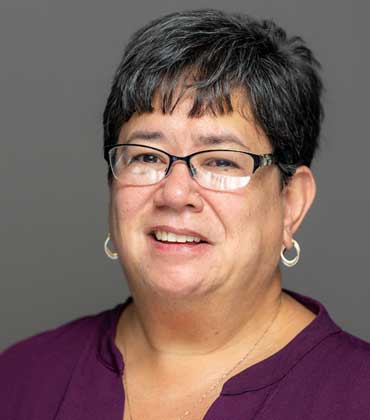
Michelle Currier SHRM-CP
Michelle Currier serves as the Senior Director of Human Resources at CCL Hospitality Group, where she also leads the company’s Diversity, Inclusion Action Council (DIAC). A strategic HR leader with a passion for people-centered transformation, Currier is known for her deep commitment to equity, inclusive leadership, and fostering cultures where workforce can thrive. Her work integrates DEI into organizational strategy and day-today operations, supporting 10 empowerment resource groups and driving real impact across Compass Group’s broader corporate ecosystem.
A Leadership Role Rooted in Accountability and Action
At CCL Hospitality Group, I serve as the Senior Director of Human Resources, but my responsibilities extend far beyond traditional HR. I also chair our DIAC—our Diversity, Inclusion Action Council. This group has been a vital part of our culture for years, and leading it means taking ownership of how diversity, equity, and inclusion are operationalized throughout our company. That includes developing strategic initiatives that align with our team’s values and with the broader Compass Group mission. My role touches every department with whom we collaborate to ensure DEI isn’t a side project but embedded in how we do business. We prioritize safe spaces, both physically and psychologically, and we support our ten empowerment resource groups (ERGs), which are at the heart of employee empowerment.
What does DEI mean?
To me, DEI represents the foundation of a healthy, thriving workplace. It’s about more than demographics or data, but about valuing each person’s distinct perspective and life experience. Inclusion, specifically, is about creating an environment where everyone feels respected, heard, and supported to bring their best self to work. When people are valued, their engagement increases, their creativity flourishes, and ultimately, the whole organization performs better. Especially in today’s climate, where polarization and fatigue can take a toll, grounding our culture in empathy and respect is essential.
Breaking Down Misconceptions Around DEI
One of the biggest misconceptions I encounter is that DEI is just about hitting quotas or checking a compliance box. That kind of narrow thinking completely overlooks the deeper impact DEI has on engagement, innovation, and, perhaps most critically, retention. Another misconception is that DEI is a one-and-done initiative. In reality, it’s a continual process. You can’t implement a training and call it a day. It takes ongoing education, honest feedback loops, and visible commitment from leadership. What I often advise is to embed DEI into your core business strategy and daily operations, then ask your people what’s working and what isn’t, and listen. DEI should be a conversation that never ends.
“True inclusion begins when people feel safe enough to show up as their true authentic selves—and when we create space for them to be heard”
Preparing for the Workforce of the Future
Looking ahead over the next five to ten years, I believe cultural competency, adaptability, and empathy will be the most critical skills for workforce success. As an HR strategic partner, I consider how we can support our people not only in responding to change but also in leading through it. That includes proactively identifying and removing systemic barriers to equity. It also means encouraging a mindset of continuous learning. The workplace is evolving fast, and those who can embrace diverse perspectives while staying open to transformation will be the ones who thrive.
Advice for Young Professionals and Future DEI Leaders
For those just starting their careers, especially in the DEI space, my advice is simple—understand deeply what DEI actually means and how it connects to organizational success. Read, study, ask questions, but more importantly, seek mentorship. Young professionals need strong role models, and we need more leaders willing to guide and grow the next generation. Don’t wait for someone to hand you a platform, build relationships, gain perspective, and learn from others in the field. This work isn’t easy, especially as some organizations begin to pull back. That’s precisely when we need to lean in. DEI requires passion, yes, but also persistence, strength, and a willingness to challenge the status quo.
The Power of Showing Up Authentically
One of the most powerful things any professional can do— especially those advocating for diversity, equity, and inclusion (DEI)—is to show up as their true, authentic self. When we do that, we not only give ourselves the freedom to thrive—we also signal to others that they belong too, creating a ripple effect. True inclusion begins when people feel safe enough to show up as their authentic selves—and when we create space for them to be heard, especially those who might not have had a seat at the table. I tell young professionals all the time that your presence matters. When you show up with sincerity, you permit others to do the same, and that’s how inclusive cultures are built.
Change Can Start With One Person
Sometimes, people assume you need a title or formal authority to drive change, but that’s not true. Some of the most powerful transformations I’ve witnessed have come from individuals who simply dared to speak up or act differently. You don’t need to lead a DEI council to make a difference. You just need to care and be willing to use your voice. If there’s one thing I’ve learned, it’s this: never underestimate the value of your perspective. Every one of us has the power to shape the culture we’re part of—one conversation, one act of inclusion, one moment of courage at a time.
The articles from these contributors are based on their personal expertise and viewpoints, and do not necessarily reflect the opinions of their employers or affiliated organizations.

Be first to read the latest tech news, Industry Leader's Insights, and CIO interviews of medium and large enterprises exclusively from Manage HR Magazine
