

Tom Olney
VP Organizational Development, Velera
A New CEO, a New Fiscal Year and the Uncertainty Between
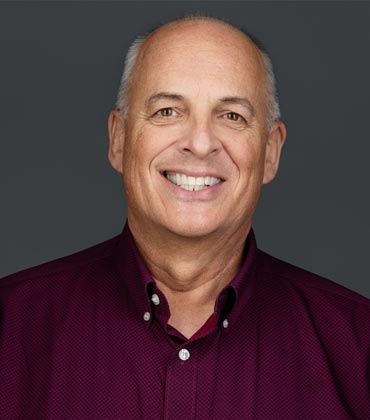
Tom Olney, VP of Organizational Development at Velera, brings four decades of experience helping organizations develop talent, strengthen leadership pipelines and manage change. Through succession planning, leadership development and change management, he focuses on preparing employees and leaders to grow with evolving business needs.
As Velera navigates a CEO transition, fiscal year planning and evolving workplace demands, Tom Olney, VP of Organizational Development, is preparing its leaders for what comes next. With an internally developed successor replacing a CEO who served approximately 12 years, the organization faces a period of adjustment as it establishes priorities for 2027.
For Olney, the challenge is preparing people for changes whose implications are still emerging. His leadership philosophy emphasizes building development strategies around organizational evidence instead of predetermined programs, identifying where leaders need support and existing strengths can be extended.
"We know that the organization is going to adjust and there'll be some changes that'll trickle down top to bottom," says Olney.
Building Leadership Readiness through Organizational Insight
Olney believes effective leadership development begins with understanding organizational needs. At Velera, he draws on retention rates, employee engagement findings and conversations with senior leaders to identify development priorities.
Gallup's employee engagement survey provides detailed visibility into workforce experiences. Its team-level results help leaders identify opportunities to strengthen management practices. Olney uses these findings to guide development across senior leadership, frontline management and the broader leadership pipeline.
His focus extends beyond identifying development needs. He believes leadership effectiveness depends on consistently practicing the fundamentals of good management. This perspective shapes how he prepares individuals for greater responsibilities while keeping development aligned with organizational priorities.
The ADKAR Test during the PSCU and Co-op Merger
Olney's change management work includes a transformation project led by Velera's transformation office. Seeking faster development, improved implementation and consistent best practices, the initiative established a foundation for managing organizational transitions.
Using the Prosci ADKAR model, Olney works with leaders to examine who will be affected by proposed changes, what those changes involve and where resistance might emerge. Anticipating employee responses before implementation is an important part of his strategy.
A significant test came when PSCU and Co-op combined. During the merger, Olney's organizational development efforts focused on understanding how employees would experience the transition and what preparation would help them adjust. Change management has remained a major focus of his work for approximately five years.
Artificial intelligence presents another challenge. Olney observes that some employees enthusiastically embrace AI while others express concerns about employability, career progression, energy consumption and freshwater use. For him, the challenge is embracing technological advancement without alienating employees.
Curious Leadership and the Next Generation of Leaders
Olney places strong emphasis on developing talent internally. He connects leadership development to succession planning, identifying individuals with the aspiration and capability to lead and preparing them for promotions or lateral moves.
He also questions whether experienced external hires are always the answer. Such candidates can be expensive and may struggle with cultural fit, while internal development preserves institutional knowledge and prepares employees for new responsibilities.
Velera's Curious Leadership program reflects another dimension of his leadership philosophy. A cohort graduated during the week of Olney's interview, having explored humility, curiosity and working outside familiar areas of expertise. These principles also shape his broader vision for leadership development, encouraging individuals to take on unfamiliar challenges and grow into greater responsibilities.
As Olney puts it, "Being curious means being humble, but it also means being able to work on the edges."
The appointment of an internally developed CEO offers a relevant example of the succession practices Olney advocates. The transition highlights how sustained leadership development can support continuity at the highest organizational levels.
As Velera enters its next chapter, Olney looks to play a greater role in shaping strategic discussions, strengthening senior leadership development and helping teams turn organizational priorities into action through their 2027 plans. Recognized as one of the Top 10 OD Leaders 2026, he remains focused on building a strong pipeline of future leaders and preparing them to guide their teams through the changes ahead.

Be first to read the latest tech news, Industry Leader's Insights, and CIO interviews of medium and large enterprises exclusively from Manage HR Magazine
