

Lori Gabel
Vice President of Global Talent Management, Westfield Insurance
Redefining Talent with Heart and Strategy
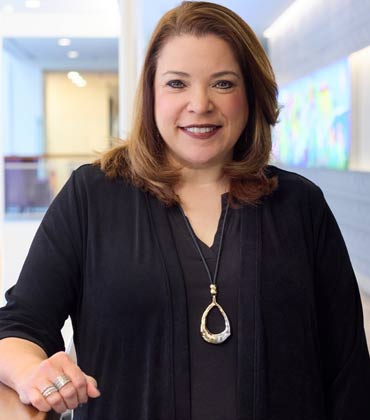
Lori Gabel is Vice President of Talent Management at Westfield Insurance, where she leads enterprise talent strategies with heart, vision, and an unrelenting focus on people. Her journey from early childhood education to corporate leadership reflects a lifelong passion for growth, learning, and transformation.
A trusted coach and culture ambassador, Lori champions personalized development, strong leadership, and the integration of innovative tools like AI to elevate talent practices. With strengths in strategic thinking, individualization, and the ability to influence, she fosters environments where people feel seen, supported, and inspired to grow and manage their careers.
Known for blending empathy with innovation, she builds lasting relationships that drive meaningful results—proving that talent management is most potent when it is human-centered and future-focused.
“The Most Effective Development Plans Reflect Both Personal Passions And Business Priorities. We Have Resources, Like A Development Workbook, To Help Employees Bridge Where They Are Today With Where They Want To Go”
A Career Fueled by Curiosity and Change
I began my career in early childhood education, but life had other plans. A series of unexpected turns led me to a corporate role at GE as a platform trainer in a call center, where I discovered my passion for learning and development—and the expansive opportunities it offered.
At GE, my responsibilities extended far beyond facilitation. I gained invaluable experience in change management, organizational development, mentoring, coaching, and implementing learning management systems. The company was a training ground for employees and also for my growth.
When I joined Westfield, I brought with me the depth and breadth of that experience. What began as a learning-focused role has evolved into a leadership position overseeing talent acquisition, leadership and professional development, succession planning, and enterprise change management. I’ve thrived in my career by staying open to change, embracing new opportunities, and constantly evolving—just like the work I love most.
How Westfield Makes Growth Intentional
At Westfield, continuous learning is more than a corporate buzzword—it’s embedded in the organization’s DNA. This makes the work deeply rewarding. Our learning approach is deliberate and dynamic, accessible, aligned, and reinforces accountability.
We offer many learning options to meet employees where they are: From formal programs and mentoring to peer coaching, stretch projects, and communities of practice. Every experience is curated with intention. Whether participating in dialogue circles or a leadership class, learning is designed to feel natural—not forced—using the 70-20-10 model.
Alignment is also key. Development plans are structured to reflect both individual passions and business needs. Tools like a development workbook help employees bridge the gap between their current capabilities and future aspirations.
Accountability, however, is not one-sided. At Westfield, development is employee-driven and leader-enabled. Managers provide support, but employees own their growth. This partnership fuels real progress and reinforces a culture where learning is a shared commitment.
Fostering Growth and Retention Through Supportive Leadership and Listening
While common reasons for turnover at any organization include lack of growth, poor managerial alignment, compensation, and workload, the absence of career development often plays an even more significant role. That’s why we focus so intentionally on creating pathways for growth.
We encourage employees to say “yes” to new experiences, build strong networks, engage with mentors, and create personal boards of directors. Learning from failure is normalized, and employees are urged to take ownership of their development. It’s all part of our “culture of caring”—not just for our customers but also for our people. Employees who feel seen, supported, and optimistic about their future are more likely to stay.
Leadership development is also a significant focus. We invest deeply in our leaders, encouraging them to coach, empower, and build genuine connections. “When leadership is strong, people don’t leave, they lean in,” I emphasize. We also actively and consistently listen through engagement surveys, stay interviews, skip-level meetings, and performance check-ins. This regular feedback loop helps us avoid surprises, respond with agility, and ensure that decisions remain people-centered and business-forward.
Harnessing AI to Revolutionize Talent Management
AI, GenAI, and advanced analytics are transforming talent management, and I’m fully embracing the shift. These tools are helping us become more proactive and responsive and deliver three major advantages: personalization, efficiency, and insight.
AI enables highly tailored learning and career development experiences. Employees can use tools like GenAI to create performance goals and development plans that match their unique strengths and aspirations. Efficiency improves as automation handles routine tasks such as onboarding, scheduling, and tracking—freeing up time for deeper, more strategic work.
Perhaps most significantly, we see that AI has the potential to provide powerful predictive insights. Analytics can reveal workforce trends, identify skills gaps, and support strategic decisions around talent planning, reskilling and succession.
These innovations don’t replace our people strategy— they amplify it. As our proficiency with AI grows, the impact on collaboration, engagement, and organizational culture will continue to deepen, affirming that technology can elevate, not diminish, human potential.
The Power of Relationships in Effective HR Leadership
Looking back over my career, one defining element stands out: relationships. While staying current with HR trends and mastering the discipline are essential, the trust and connections I’ve built have allowed me to navigate tough situations. In moments of challenge, those relationships helped me push through.
Of course, being strong in HR fundamentals is crucial—these are table stakes. However, the most effective HR professionals combine expertise with strategic thinking and always remember the people behind the policies and programs. The results speak for themselves when leadership is grounded in both heart and strategy.
At Westfield, I continue to believe that talent management can be both deeply personal and boldly forward-looking—creating a future of work where everyone can grow, lead, and thrive.

Be first to read the latest tech news, Industry Leader's Insights, and CIO interviews of medium and large enterprises exclusively from Manage HR Magazine
