

Noam Farago
Senior Director of Talent Management and Organizational Development, PTC Therapeutics
Innovative Approaches to Talent Development and Organizational Success
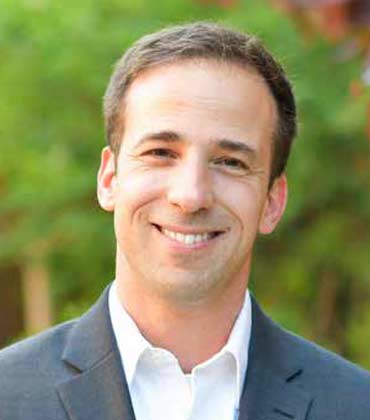
Noam Farago, Senior Director of Talent Management and Organizational Development at PTC Therapeutics, is recognized for his strategic leadership in enhancing employee development and optimizing workforce performance. Farago's approach integrates a high-performance culture with a commitment to nurturing talent, leveraging his extensive experience to drive success at PTC Therapeutics.
Recognizing Farago's leadership in elevating HR as a strategic partner, this interview delves into his expertise in data-driven decision-making, aligning business goals with employee growth through empathy and a commitment to continuous learning.
AT A GLANCE
- Strategy Meets Empathy: Effective HR leadership means aligning people strategy with business goals—through empathy, clarity, and action.
- Always Learning, Always Leading: A commitment to lifelong learning keeps leadership grounded in innovation, relevance, and agility.
- Culture That Includes, Not Excludes: A strengths-based, inclusive culture leads to stronger teams, deeper engagement, and a workplace where everyone belongs.
- Data with Purpose: Measuring impact goes beyond feedback—it’s about connecting talent development to performance, retention, and promotion.
- People Power, Real Progress: Intentional development can transform potential into performance, as seen in the rise of internal leaders like Jessica Moore.
- Readiness is a Strategy: Anticipating future skills through structured SWOT and needs analysis keeps the workforce ready for what’s next.
- Leading with Impact: The future of HR belongs to those who can bridge talent development with business outcomes—without losing the human connection.
- Advice That Resonates: Stay grounded in your values and curious in your mindset—because transformation happens where people and purpose intersect.
Putting Strategy to Work Through People: My Leadership Lens in HR
I believe that HR is most impactful when it is deeply connected to business strategy and grounded in empathy, clarity, and action.
That perspective was shaped early in my career. After earning a Master’s degree in Organizational Psychology from Columbia University, I began my professional journey at Ketchum Change, a consulting firm focused on engagement and communication. Working with high-profile clients sharpened my skills in client management and strategic planning. It taught me how to translate complex business needs into people-centered programs that inspire and drive change.
Even in my early days at Amdocs, a global software company serving the telecommunications space, I first stepped in as an organizational development partner. I later transitioned into an HR business partner role. This formative experience broadened my understanding of how HR can be a true business enabler. Supporting an entire region allowed me to work closely with leaders, navigate large-scale transformation, and solve real-time people challenges.
Those moments—where strategy met execution, and people met purpose—continue to influence my approach today at PTC. Whether it’s developing talent, guiding teams through change, or aligning culture with business goals, I lead with the belief that HR’s most significant value comes from being a trusted partner that builds impact from the inside out.
Never Done Growing: How I Stay Ahead in an Evolving Industry
Adopting a lifelong learning mindset is essential to staying competitive, and for me, it’s a personal commitment that shapes how I lead and grow. I consistently engage in development programs and attend industry conferences that help me stay ahead of emerging trends and evolving workforce needs.
One example that stands out is my experience attending the Gallup at Work Summit. The insights I gained—particularly around biotechnology advancements and workforce engagement—are already informing the way we shape our talent management strategies at PTC Therapeutics. These immersive learning opportunities help me stay grounded in both innovation and practicality.
I also carve out time to regularly consume business-focused content—from articles and podcasts to books that spark new ways of thinking. Beyond that, some of the most valuable insights come from candid conversations with vendors, peers in other organizations, and my colleagues across functions. These exchanges offer fresh, diverse perspectives that continuously inform my approach to leadership.
For me, learning is never a checkbox. It’s a mindset—a way of staying agile, building relevance, and ensuring that the strategies we implement today are truly built for tomorrow.
Inclusive by Nature, Empowered by Culture: Our People-First Approach
At PTC Therapeutics, equality, diversity, and inclusion (ED&I) are woven into the fabric of our people strategy. I’ve always believed that a diverse workforce fuels innovation and delivers more substantial outcomes—and that belief is deeply reflected in how we shape culture and drive engagement across the organization.
“Stay curious and stay grounded. This is a space where continuous learning matters. Develop a strong understanding of your industry and take every opportunity to broaden your HR expertise across functions.”
Our HR structure includes a dedicated Community team that partners across the business to enhance the employee experience and foster meaningful connections. Together, we’re committed to building a workplace where individuals feel empowered to bring their whole selves to work and make a difference—both within the organization and in the broader communities we serve.
One of the most impactful ways we’ve brought this to life is through our strengths-based culture initiative. Instead of centering on what people need to fix, we encourage employees to lean into what they naturally do well. Through team workshops, individuals share their unique strengths and perspectives—conversations that have helped unlock new levels of collaboration, trust, and inclusion. These sessions have sparked a noticeable rise in engagement and, more importantly, have created a more profound sense of belonging across teams.
Fostering inclusion is never a one-off program. It’s about continuous learning, honest conversations, and intentional practices that create space for everyone to thrive. For me, it all comes back to building a culture where people are valued for who they are and inspired to grow.
Connecting Development to Outcomes: How We Measure What Matters
Approaching talent development with intention includes how we measure its impact; for me, that’s a success.
We begin with our employees' voices. Participant feedback is a key part of our process—it helps us understand what resonated, what was helpful, and what people are returning to their roles. But we go beyond reactions. We use pre- and post-program surveys to assess changes in competencies. For example, following a recent leadership development session, participants and their managers reported noticeable improvements in core management capabilities.
We’re also using data to build a more integrated view of talent development. We’re developing a dashboard to help us analyze connections between learning engagement and critical HR outcomes like retention, promotion, and performance. Early insights are promising—employees actively engaged in coaching and mentoring efforts are showing higher performance ratings and increased promotion rates.
Investing in People, Unlocking Potential: What Jessica’s Journey Taught Us
One of the most powerful examples of intentional talent development at PTC Therapeutics is Jessica Moore's journey. She originally joined as an executive assistant to our head of HR, and it didn’t take long for her relationship-building skills and passion for people to stand out.
What struck me about Jessica was her natural ability to connect with others and her genuine interest in personal growth—not just her own but those around her. When the opportunity arose, she transitioned into our Talent Management team, where she quickly discovered a deep enthusiasm for coaching and development.
Since then, Jessica has taken that passion and turned it into impact. Today, she co-leads our Coaching and Mentoring Center of Excellence, key in shaping our internal coaching capabilities. The programs she’s helped build have made a real difference—not just in how we support employees but also in how teams show up, collaborate and perform.
Shaping the Future: Aligning Talent Strategy with Industry Momentum
At PTC Therapeutics, we’re constantly looking ahead—both in developing life-changing therapies and building the talent strategy to support that mission. Our focus is clear: expand our portfolio of innovative treatments, elevate patient care, and continue leading in the biotechnology space. For us in talent management, that means building scalable, people-first strategies that grow with the business.
We’re investing in top-tier engagement tools, sustaining a strengths-based learning culture, and strengthening leadership capabilities at every level. These goals aren’t just internal priorities but are rooted in broader industry shifts. For instance, our emphasis on data-driven ROI reflects a growing expectation across biotech to demonstrate tangible value from every people initiative. In this landscape, HR leaders must speak the language of impact.
Rule of Thumb: Always Anticipate Skills Before They're Needed
Staying ahead of skill needs is critical in an industry that evolves as quickly as biotech. We’ve integrated real-time market analysis, industry trend reviews, and ongoing internal feedback into our talent strategy. Our team conducts a SWOT analysis twice a year and aligns it with business goals, emerging technologies, and workforce capabilities.
We also run an annual needs analysis to stay proactive rather than reactive. A great example of this in action: recent feedback pointed to communication as an essential skill gap across teams. In response, we launched a focused development program, and it’s already showing results—boosting confidence, improving collaboration, and meeting a genuine business need.
Stay Grounded, Stay Curious: My Message to Aspiring HR Professionals
If I had one message for aspiring HR professionals, it would be this—stay curious and stay grounded. This is a space where continuous learning matters. Develop a strong understanding of your industry and take every opportunity to broaden your HR expertise across functions.
What’s equally important is building relationships. The real impact comes from connection, whether with peers, leaders, or employees. Champion a culture of continuous improvement and be willing to challenge old ways of thinking. The more experience you gain across different HR domains, the stronger and more agile you’ll become as a partner to the business.
HR has always been about creating value where people and strategy meet. That’s the space where the fundamental transformation happens—and where the future of work is being shaped daily.

Be first to read the latest tech news, Industry Leader's Insights, and CIO interviews of medium and large enterprises exclusively from Manage HR Magazine
