

Amy Silverstein
Senior Director—People, Pizza Pizza Limited
Culture is How Strategy Gets Executed
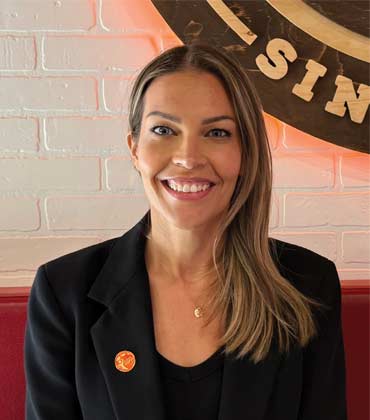
Amy Silverstein oversees people and culture initiatives at Pizza Pizza Limited. With more than two decades of experience across retail, hospitality, transportation, and restaurant operations, she has built her career around connecting people strategies to business outcomes through leadership development, employee engagement, culture, and organizational effectiveness.
HR Earns Its Seat at the Table
Throughout my career, I have worked in service-based industries where speed, pressure, and customer expectations are constant. Whether in retail, transportation, hospitality, or quick-service restaurants, one lesson has remained consistent: employee experience directly affects customer experience.
That reality shaped my leadership philosophy early on. I have always believed that HR earns its seat at the table by understanding the business and helping organizations make better, more human strategic decisions. Care, inclusion, and engagement matter deeply, but they cannot exist only as ideas. Culture has value when people can depend on it and experience it consistently in the decisions made and in how leaders show up every day.
Working in fast-paced operational environments also taught me that HR cannot function from the sidelines. Effective people leadership requires staying close to the business, understanding what employees and leaders experience every day, and listening carefully to operational realities. The real value comes from turning those observations into practical solutions that support both people and performance. That ability to connect day-to-day realities with organizational priorities allows HR to contribute more meaningfully to business outcomes.
Building Culture Across a Franchise System
That connection between people and business is especially important in a franchise environment, where culture has to be built through clarity, consistency, and trust. At Pizza Pizza, our role is to support a network of people who all contribute to the strength of the brand.
For me, the focus has been on creating alignment around shared expectations while ensuring the right support is in place across the system. That means giving leaders the tools, communication, training, and guidance they need to deliver a consistent experience, while also recognizing the realities of operating in a fast-paced restaurant environment.
When culture is approached that way, it becomes part of how we support our restaurants, how we make decisions, and how we build trust across the company.
Turning Feedback into Action
Creating that consistency requires more than communication. It also requires listening.
Over the last several years, we have intentionally shifted our employee engagement approach to an ongoing business conversation. At Pizza Pizza, we call our engagement surveys PIE Talk, but the real value is not in collecting feedback. The value comes from what happens afterward.
Many of our people initiatives have been shaped directly by what employees have told us. Leadership development programs, engagement strategies, and wellness initiatives have all evolved through employee input. Mental health and resilience have become a deliberate part of our people strategy through resilience training, awareness campaigns, and practical learning opportunities designed to support employees in managing everyday challenges. Recognition has also become an important part of employee experience, helping create a culture where leaders acknowledge contributions, provide meaningful feedback, and express appreciation for the work employees do every day.
“Long-term success comes from becoming fluent in both the business and the people who make that business possible.”
We have also continued expanding inclusive programming through our DEI council, community partnerships, and employee-led initiatives. One example is our SLICE Leadership Program for Women, which was created to support the development, visibility, and long-term growth of emerging female leaders across the business.
Our broader brand promise, “Everyone Deserves Pizza,” heavily influences how we think about employee experience. While it may be recognized externally as a customer-facing message, internally it reflects our belief that everyone deserves a workplace where they feel welcomed, included, respected, and able to grow. That philosophy guides our approach to belonging, development, and opportunity across the organization.
The strongest engagement programs are not created for employees. They are created with employees. People become more invested when they can see that their feedback influences decisions and helps shape the organization’s future. Engagement is not simply asking people how they feel. It demonstrates that their voice matters and then acts on what they share.
Why Culture and Strategy Cannot Compete
The connection between employee feedback and business outcomes is one reason I strongly believe that culture and strategy cannot be treated as separate priorities.
Culture can sometimes be viewed as something that sits alongside operations. I see it differently. Culture is one of the mechanisms through which strategy is executed. A business can have the right strategy on paper, but if employees do not understand it, believe in it, or know how to apply it in their daily work, execution becomes difficult. Culture helps translate priorities into behaviors, creating alignment between what an organization intends to achieve and how people work toward those goals.
At Pizza Pizza, we connect culture and business priorities through our PIE framework, which focuses on profitability, innovation, and engagement. The framework provides a practical way to demonstrate that culture directly contributes to business performance rather than competing with it.
The results are evident in strong engagement scores, low voluntary turnover, and greater efficiency across the business. More importantly, the framework creates a common language that helps people understand how their work contributes to larger organizational goals while fostering trust, openness, and innovation across the organization. When culture supports business priorities and business priorities reinforce culture, organizations are better positioned to create value for employees, customers, franchisees, and the business as a whole.
Becoming a Strategic People Leader
Many of the lessons I share with emerging HR professionals come from experiences I wish I had understood earlier in my own career.
I sometimes moved too quickly on people initiatives because I could see the need and believed strongly in the impact they could have. Over time, I learned that the most effective people strategies are the ones that clearly connect to business outcomes. Good people work becomes great business work when that connection is visible, measurable, and understood by organizational leaders.
That lesson continues to shape the advice I give emerging HR professionals today: understand the business first. If you want to become a strategic partner, you need to understand how the organization creates value, where the pressure points exist, and what challenges leaders are trying to solve.
Beyond understanding the business, it is important to bring solutions rather than observations. Identifying risks is valuable, but strategic people leaders also need to recommend actions, explain trade-offs, and demonstrate how success will be measured. Credibility comes from follow-through, consistency, and the ability to connect culture priorities to business priorities.
Most importantly, never lose sight of the human side of leadership. As I often remind my team, the best people leaders can sit in a boardroom and talk about profitability, structure, risk and performance and still remember that everyday decisions affect real people. Long-term success comes from becoming fluent in both the business and the people who make that business possible.

Be first to read the latest tech news, Industry Leader's Insights, and CIO interviews of medium and large enterprises exclusively from Manage HR Magazine
