
Leadership & organizational excellence consulting firms operate within business environments where workforce alignment, executive decision-making, operational culture, and long-term performance are closely connected. Organizations increasingly recognize that sustainable growth depends not only on financial planning or operational efficiency but also on leadership capability, organizational adaptability, and internal collaboration.
Top Leadership and Organizational Excellence Consulting Firms 2026
Leadership and organizational excellence consulting firms help businesses strengthen management capability and improve enterprise performance. With a focus on leadership development, culture alignment, process improvement and change execution, they support stronger teams and more effective organizational outcomes.
Solutions

Letendre & Associates
Your Excellence Advantage: Building Organizations That Excel, Year After Year
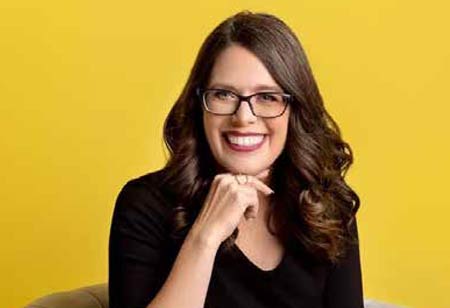
Kathy Letendre, President
What separates organizations that talk about excellence from those that actually live it? According to Kathy Letendre, it comes down to one thing: the willingness of leaders to define what excellence truly means for them—and then do the hard, disciplined work of turning that vision into reality.
State of Industry
Deep Dive
Choosing Leadership Consulting That Can Carry Execution
Leadership and organizational excellence consulting becomes expensive when it stays in the conference room. Senior teams can leave a retreat with cleaner language, yet still lack the habits that convert direction into work people can absorb. In management consulting, the buying risk is rarely whether a firm can facilitate discussion. The sharper test is whether it can help executives narrow ambition into shared discipline and prove movement without burying the organization in measurement theater.
Leadership Perspective
America's CAR-MART, Inc
Driving People-Centered Leadership for Organizational Success
Jules Gianneschi, Chief Human Resources Officer
Jules Gianneschi serves as the Chief Human Resources Officer at America’s CAR-MART, Inc., a publicly traded automotive retail and finance organization operating over 150 dealerships across 12 states. With more than 25 years of experience at Walmart Inc., Jules progressed from frontline roles to senior leadership positions, supporting a diverse range of global functions including operations, human resources, aviation, security, innovation, marketing, real estate, finance, legal, compliance and ethics.
Leadership and Organizational Excellence Consulting Firms News
Leadership Consulting Shifts Toward Execution Gaps Instead of Vision Statements
Thursday, October 15, 2026
Boardroom discussions around leadership development are shifting. Organizations are not just asking if leaders need coaching or advisory support. The more difficult question is where leadership weaknesses are slowing execution, causing delays in decisions or leading to inconsistent performance across business units. This shift is putting leadership and organizational excellence consulting firms under new expectations compared to just a few years ago.
Traditional leadership consulting often focused on long-term vision, executive development and broad cultural initiatives. Now, buying conversations are more likely to focus on specific business problems. Companies are looking for help with decision bottlenecks, accountability issues, succession planning or uneven management practices that affect daily performance. Leadership consulting is becoming more closely tied to execution, rather than staying a separate people initiative.
This change is also affecting how consulting engagements are structured. Organizations want advisory work that connects leadership behavior with measurable business processes. Areas like internal communication, ownership of decisions and cross-functional coordination are getting more attention. Weaknesses in these areas often show up during expansion, restructuring or large technology programs.
The expectation for organizational excellence has broadened. Leadership is not just seen through the actions of senior executives anymore. Middle managers, department heads and functional leaders now play a bigger role in making sure business priorities are carried out consistently across locations or business units. Consulting firms are responding by extending leadership development beyond executive teams and into wider management structures.
Buyers are also evaluating consulting firms differently. Instead of focusing mainly on leadership frameworks or training content, organizations are looking more closely at how advisory services fit with existing governance, reporting practices and management responsibilities. Practical implementation often gets as much attention as leadership philosophy. Recommendations that do not connect to daily work rarely gain lasting support.
The growing complexity of organizations adds another factor. Hybrid work arrangements, distributed teams and faster business cycles put more pressure on leaders to make timely decisions and keep consistency across functions. Consulting firms in leadership and organizational excellence are expected to address these realities, rather than rely on generalized management models.
Another shift involves the length of consulting relationships. Some organizations are moving away from one-off leadership workshops and choosing longer advisory engagements. This approach allows recommendations to be tested, refined and reinforced over time. In practice, leadership behavior changes gradually and often needs ongoing reinforcement.
Leadership consulting is likely to remain important, but expectations about its purpose are still changing. Organizations are less interested in broad leadership narratives and more focused on whether consulting can help reduce execution gaps that affect daily business performance. Firms that connect leadership development with practical management improvements may see stronger demand as buyers continue to emphasize measurable organizational progress.
Buyers Demand Organizational Advice That Fits Existing Business Realities
Thursday, October 15, 2026
Selecting a leadership and organizational excellence consulting firm is now a more careful purchasing decision. Organizations are putting more weight on whether outside advisors understand current management structures. Instead of broad recommendations that call for major organizational disruption, buyers want consulting work that fits with current business conditions. In practice, most organizations prefer advice that supports established practices rather than replacing them.
Leadership consulting has often focused on cultural change and executive coaching. Many organizations still see value in these services, but purchasing priorities are expanding. Decision makers now ask how recommendations might affect reporting relationships, management responsibilities and the pace of business execution. These questions often come up before organizations commit to longer consulting engagements.
This shift points to a broader change in what buyers expect. Consulting firms are now expected to show they understand how organizations actually work, including limits set by available resources, internal governance and leadership capacity. When recommendations do not account for these realities, adoption can be slower even if the ideas themselves seem strong.
Procurement teams and business leaders may also look at consulting engagements in terms of implementation risk. Large-scale organizational recommendations often require significant management attention. This can make buyers cautious about projects that call for widespread structural changes before any practical improvements are seen. In many cases, incremental approaches seem more attractive when businesses need to balance ongoing commercial priorities with internal development work.
Leadership consulting firms now face more pressure to explain how their advisory work connects with existing business objectives. Organizations want to see clearer links between leadership initiatives and the specific management issues they hope to address. In practice, discussions are shifting toward decision quality, management consistency or collaboration between functions instead of broad cultural aspirations.
Consulting relationships are also becoming more collaborative. Organizations now often expect advisors to work alongside internal leadership teams, not just deliver recommendations through isolated assessment exercises. This expectation puts more weight on communication, trust and practical adaptation throughout the engagement.
Organizational maturity is another factor that can influence purchasing decisions. Businesses experiencing rapid expansion may need different leadership guidance compared to companies focused on stabilizing established operations. Consulting firms that recognize these differences can tailor their approach, rather than relying on standardized development models for every client situation.
Leadership and organizational consulting is still an important business service, but buyers now have more specific expectations. Organizations choose advisory firms based on how well their advice fits current business realities and management structures. Consulting projects that understand real-world limits, while still helping leaders improve, are likely to stand out as buying decisions become more selective.
Consulting Firms Face Pressure to Show Lasting Organizational Impact
Thursday, October 15, 2026
Leadership and organizational excellence consulting has typically centered on building management capability. Expectations have shifted in recent years. Organizations now want to see that consulting recommendations still influence business performance after the engagement ends. In practice, this shift is causing advisory firms to rethink how they manage long-term client relationships.
A common challenge in leadership consulting is keeping momentum once workshops, executive sessions or organizational assessments are finished. Companies may see the value in recommendations during the engagement, but it can be harder to maintain consistent management practices over time. Leadership habits tend to develop gradually. Without ongoing reinforcement, these habits may weaken.
Consulting firms are responding by placing greater attention on follow-up support and ongoing engagement. Longer advisory relationships can provide opportunities to review progress, adjust recommendations and help leadership teams respond to changing business conditions. This approach reflects recognition that organizational improvement rarely follows a fixed timeline.
Internal ownership is also important. External consultants can suggest management changes, but lasting progress depends on leaders inside the organization. Consulting firms need to support internal accountability without creating too much dependence on outside advisors. For many teams, finding the right balance between guidance and self-sufficiency is still a challenge.
Business conditions can affect how well leadership recommendations hold up over time. Organizational priorities may shift because of expansion, restructuring or new commercial demands. Consulting firms need to stay flexible and revisit earlier recommendations instead of treating initial assessments as permanent answers. In longer client relationships, this kind of adaptability is even more valuable.
Leadership consulting is also seeing more scrutiny around measurable progress. Organizations now expect clearer signs that advisory work is making a difference in management effectiveness, communication or decision processes. Leadership quality is not always easy to measure with simple metrics. Still, buyers want to see observable improvements, not just rely on qualitative feedback.
This environment encourages consulting firms to think beyond individual leadership development. Broader organizational practices, management systems and internal decision structures often receive greater attention because leadership effectiveness is closely connected with how work is organized across the business.
The consulting relationship itself is evolving as well. Organizations appear more willing to view leadership advisors as ongoing partners when engagements remain connected to changing business priorities instead of following fixed consulting programs. That flexibility may become increasingly important as companies continue adjusting leadership practices over time.
Leadership and organizational excellence consulting is moving into a period where lasting influence matters more than short-term engagement activity. Organizations are now more focused on whether advisory work becomes part of daily management practices, instead of something that ends with a final presentation. This expectation will likely shape how consulting firms design and deliver future engagements.
Leadership and Organizational Excellence Consulting Firms Info
Q1
What Do Top Leadership & Organizational Excellence Consulting Firms Do?
Top Leadership & Organizational Excellence Consulting Firms help organizations strengthen leadership capabilities, improve organizational effectiveness and align people, culture and strategy with business objectives. Their services often support executive teams through organizational transformation, leadership development, culture change, succession planning, change management and performance improvement. The goal is to help organizations build sustainable leadership practices that enable long-term success and adaptability.
Q2
What Services Do Leadership and Organizational Excellence Consulting Firms Typically Provide?
Top Leadership & Organizational Excellence Consulting Firms commonly provide leadership assessments, executive coaching, organizational design, talent strategy, team effectiveness programs, succession planning, change management support and leadership development initiatives. Many firms also facilitate strategic planning, culture transformation and workforce capability development to help organizations improve collaboration, accountability and organizational performance.
Q3
Why Is Demand for Leadership and Organizational Excellence Consulting Growing?
Demand for Top Leadership & Organizational Excellence Consulting Firms continues to increase as organizations navigate workforce changes, digital transformation, evolving leadership expectations and increasingly complex business environments. Many organizations recognize that sustainable transformation depends not only on technology or strategy but also on leadership effectiveness, organizational alignment and the ability to guide people through change.
Q4
How Are the Best Leadership and Organizational Excellence Consulting Firms Evaluated?
Organizations evaluating Top Leadership & Organizational Excellence Consulting Firms often consider industry expertise, consulting methodology, executive experience, measurable client outcomes, organizational assessment capabilities and the firm's ability to tailor solutions to specific business challenges. Decision-makers may also evaluate facilitation skills, change management expertise, leadership coaching capabilities and long-term partnership value when selecting a consulting firm.
Q5
What Value Do Leadership and Organizational Excellence Consulting Firms Deliver?
Top Leadership & Organizational Excellence Consulting Firms help organizations improve leadership effectiveness, strengthen employee engagement, align organizational priorities and build stronger decision-making capabilities. Effective consulting engagements can support higher organizational resilience, smoother transformation initiatives, stronger collaboration and improved execution of strategic objectives while reducing the risks associated with organizational change.
Q6
How Are Innovation and Modern Leadership Practices Shaping Organizational Excellence Consulting?
Top Leadership & Organizational Excellence Consulting Firms increasingly integrate leadership analytics, organizational diagnostics, digital collaboration tools, executive coaching platforms and data-informed assessment methods into their engagements. Many also help leaders develop capabilities needed for hybrid work environments, continuous learning, organizational agility and technology-enabled transformation while maintaining a strong focus on culture, human development and sustainable organizational performance.

Be first to read the latest tech news, Industry Leader's Insights, and CIO interviews of medium and large enterprises exclusively from Manage HR Magazine
