



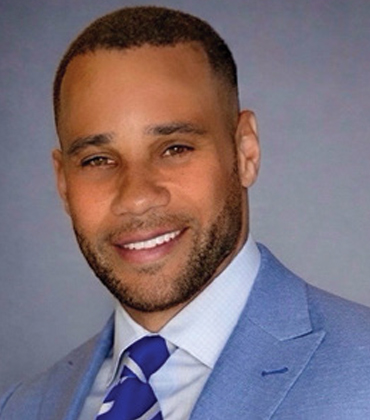
 Nathaniel Marshall, Workplace Investigator & Employment Lawyer
Marshall Workplace Law approaches workplace investigations as more than reactive responses to complaints. When conducted thoughtfully through a preventative and restorative lens, they can serve as a catalyst for cultural change, risk mitigation and organizational learning.
“Findings are not treated as endpoints for us,” says Nathaniel Marshall, workplace investigator and employment lawyer. “We use them to identify patterns, strengthen internal processes, and build accountability in a way that reduces risk and reinforces trust. That becomes particularly important as workplace expectations continue to evolve.”
Trauma-informed practices, equity-based analysis and systemic reviews are quickly becoming the benchmarks for effective risk assessment and conflict response. Marshall Workplace Law’s preventative philosophy places the firm at the forefront of this shift, shaping its impact and reinforcing its recognition as Workplace Investigation Firm of the Year in Canada 2026.
Independent and Context-Specific Investigations
Why is contextual and independent investigation critical across unionized and non-unionized workplaces?
The law firm conducts investigations across both unionized and non-unionized environments, each requiring contextual precision. In unionized settings, investigations are grounded in collective agreements and established labor relations frameworks. In non-unionized workplaces, analysis is anchored in internal policies, employment standards and organizational norms.
Each engagement begins with a structured intake and contextual assessment. This may include reviewing prior investigations, complaint data, relevant documentation, and reporting pathways to preserve evidentiary integrity and identify recurring patterns. That assessment informs interview sequencing, scope definition and procedural safeguards.
-
Findings are not treated as endpoints for us. We use them to identify patterns, strengthen internal processes, and build accountability in a way that reduces risk and reinforces trust. That becomes particularly important as workplace expectations continue to evolve.
In one matter involving allegations concerning senior leadership within a hierarchical organization, the process required particular care from the outset. Anti-retaliation expectations were clearly communicated before interviews began, and confidentiality parameters were explained in writing, so participants understood both the protections in place and the limits to disclosure. Information was shared only on a need-to-know basis, and interviews were sequenced thoughtfully to reduce power imbalance and support participant safety. These steps helped preserve independence and procedural fairness in what was a highly sensitive environment.
Equity as an Operational Standard
How does embedding equity improve fairness and credibility in workplace investigations?
Equity is embedded in the firm’s investigative methodology. Power dynamics, race, gender, disability and trauma can influence how individuals experience workplace conflict and how concerns are reported. Addressing these realities is necessary to ensure that investigative standards function fairly in practice.
While core investigative principles remain consistent, their application is calibrated thoughtfully. Interview pacing, communication clarity and available support options are structured to enable meaningful participation. Ongoing professional development and reflective practice reinforce impartiality and procedural consistency.
Credibility, in this context, is shaped not only by the outcome of an investigation but by whether participants experience the process as fair, respectful and transparent.
Structured Restoration and Systemic Review
How do systemic reviews and restoration strategies reduce long-term workplace risk?
Where workplaces experience toxic culture or prolonged conflict, restoration is approached as a structured, multi-phase process. Beginning with a diagnostic phase informed by organizational context, Marshall Workplace Law undertakes structured systemic reviews to examine organizational drivers beyond individual complaints. These reviews may include intake surveys, confidential interviews, document analysis and benchmarking against statutory requirements and established best practices.
Findings are translated into clear recommendations, often involving policy reform, governance adjustments, revisions to reporting pathways, or targeted leadership training. Where appropriate, follow-up advisory support is provided to reinforce implementation and monitor accountability.
Success is measured both qualitatively and quantitatively. “We have seen organizations experience improved workplace relationships, a reduction in complaints, stronger engagement and clearer governance structures,” states Marshall.
In a particular scenario, a workplace facing years of interpersonal conflict and high turnover reported improved morale and communication within months of implementing recommendations, alongside a marked decline in formal grievances.
Ultimately, workplace investigations are not solely about resolving allegations. They shape how organizations manage risk and sustain accountability. As Marshall notes, “How an investigation is conducted can be just as impactful as its findings.” That’s how the law firm approaches every investigation: to foster trust, accountability and long-term organizational strength.

