
Manage HR Magazine: Specials Magazine

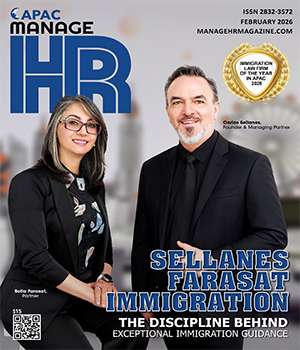
Immigration advice is often reduced to process visa categories, eligibility thresholds and procedural checklists. The assumption is that once the correct pathway is identified, the rest will naturally follow. At Sellanes Farasat Immigration, the discipline behind successful outcomes is built on a very different premise. It begins with understanding the person before the pathway. Long before options are discussed or eligibility is assessed, the firm invests time in understanding why a client has come to Australia, what they are ultimately working toward and how prior advice, refusals and assumptions may already be shaping their circumstances. These early conversations are not informal preliminaries. They are the foundation upon which every strategic decision is built. “What might appear to be a courtesy conversation is actually one of the most critical stages of the process,” explains Founder & Managing Partner Sellanes, Managing Partner of Sellanes Farasat Immigration. “People often arrive with partial information, conflicting advice and a great deal of anxiety because they don’t truly know where they stand. If a matter moves forward without proper context, misunderstandings can carry through the entire process.” By clarifying the full picture from the outset, the firm is able to identify incorrect advice, structural weaknesses or conflicts of interest before they escalate into problems that are far more difficult to resolve later. Just as importantly, it allows for precision and honesty from the beginning. Clients are told what is realistically achievable, what is not, and why.
Sales Training
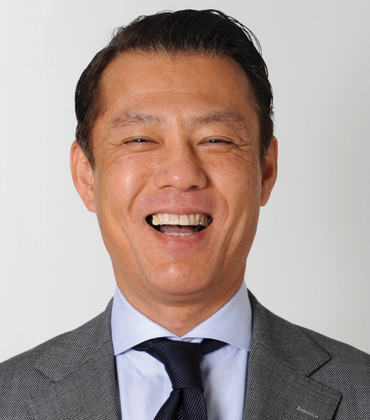
“Organizational transformation occurs not through shortcuts but by mastering the fundamental principles that drive sustainable behavioral change,” says Motoo Kobayashi, CEO of First Place. This philosophy defines the essence of First Place, a Japanese company established in 2001, which has reshaped corporate consulting and training by blending cultural wisdom with practical innovation. True to its name, First Place aims to be the best in the field in Japan while exploring new areas, establishing new departments, collaborating with new people and venturing into new places. The company operates through two core businesses—insurance sales and training/ consulting services. This dual focus allows First Place to test and refine its sales methodologies, which are then transformed into training programs for other companies. Over the years, First Place has earned the trust of its clients as a reliable training provider, backed by its expertise and accumulated knowledge in sales. The focus on insurance sales is rooted in Kobayashi’s background as a skilled insurance salesperson, which has been a cornerstone of the company’s success. At the crux of First Place’s training methodology lies the Japanese philosophy of Shu-Ha-Ri, a timeless framework that embodies the company’s belief in lifelong learning. The progression from Shu (following) to Ha (breaking away) and, finally, Ri (transcending) mirrors First Place’s commitment to blending mastery of fundamental principles with bold innovation.
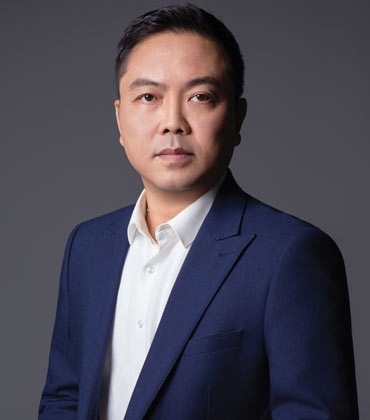
George Khang is an accomplished HR and operations leader with nearly 30 years of cross-industry experience, driving transformation across government, construction, oil and gas, agriculture, automation, hospitality and electric waste recycling. Renowned for reshaping organizations, harmonizing global workforce and steering complex restructures, he delivers measurable impact across Asia, the Middle East, Europe and Africa. Through this article, Khang highlights how human-centric leadership, open knowledge sharing and strategic workforce planning drive meaningful transformation. His approach shows how HR can balance legacy and innovation to shape the future of work. Translating Transformation Goals: Leading with Human-Centered Principles Throughout my career across seven organizations, I have worked across diverse labor environments and have rarely encountered a truly comprehensive human rights policy. Those experiences shaped how I view people and the value they bring to an organization. As an HR leader, I believe human capital outweighs any form of technology or AI. People are the force that converts effort into productivity, and productivity into sustained profit. In every role, I encourage teams to be both creative and committed. Over time, I developed an approach I call ‘more than a career.’ It reflects the belief that individuals should never be seen as just employees, but as contributors whose performance directly influences a company’s growth. Being in HR also means understanding the commercial side of the business. You cannot focus solely on people without understanding how operations, strategy and manpower planning connect. When HR and the business move together, you achieve balance. You create a workforce strategy that supports people and performance, allowing the organization to move confidently. Challenges in HR Digitalization: Growing Capability through Shared Learning I believe knowledge carries a responsibility to uplift other
Employment Law Firm

Women Empowerment For Gender Equality And Inclusive Society
Maria Zarah C. Hernandez, Vice President for Employee and Industrial Relations, Metropolitan Bank and Trust Company
Corporate Nutrition
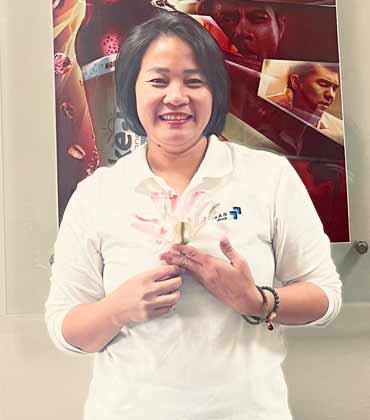
Masan Consumer Holdings Harnessing Tech Innovations for Success
Hien Pham, Head of Human Resources, Masan Consumer Holdings
Employment Law Firms

Pioneering People Transformation With A Focus On Digital And Customer-Centric Culture
Rowena Subido, First Senior Vice President & Group Head, Human Resources, RCBC
Immigration Law
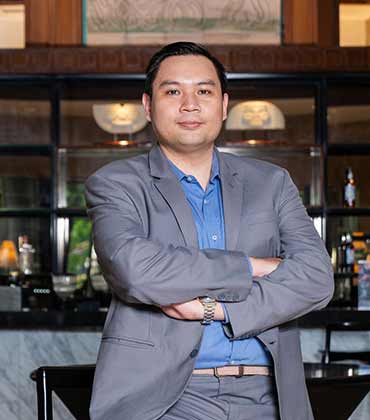
Shaping Excellence through People and Culture
Dicky Ramdhani, Mr Cluster Director of Human Resources – Java Region, Aryaduta Hotel Group
Organizational Development

Transforming Global HR at Ocean Network Express
Ai Lin Tay, Senior Vice President Global Human Resources and ONE Academy, Ocean Network Express

IN MY OPINION
Leadership Development
Guiding People through Uncertainty: HR Leadership in Logistics
Tracey McPherson, Human Resources Director, Kuehne+Nagel Australia

LAST WORD
Immigration
Fostering a Culture of Purpose and Belonging During the Pandemic
Karen Newell, HR Director, Medtronic ANZ
IN FOCUS

Navigating Cross-Border Mobility: Transformation of Immigration Law Firms in APAC
Immigration law firms in APAC expand due to rising cross-border mobility, digital transformation, regulatory complexity, corporate demand, and technology-driven service innovation across jurisdictions.

EDITORIAL
Principled Guidance in a Changing Migration Landscape
In an environment shaped by shifting immigration policies, heightened compliance scrutiny, and workforce mobility pressures across APAC, immigration advisory has become a strategic function rather than a transactional service. This edition of Manage HR APAC examines how disciplined judgment, ethical restraint, and long-term thinking are redefining leadership in immigration law.
Our cover story recognizes Sellanes Clark and Associates, operating as Sellanes Farasat Immigration, as the Immigration Law Firm of the Year in APAC 2026. The firm’s distinction lies in its methodical, context-first approach to immigration guidance. Rather than treating visa matters as procedural exercises, the practice begins by establishing a full understanding of each client’s personal, professional, and historical circumstances. This early-stage rigor allows the firm to identify flawed prior advice, structural risks, and unsustainable strategies before they escalate. Drawing on more than two decades of experience within Australia’s immigration system, the firm applies judgment with restraint, including advising clients when not to proceed. Its work spans complex individual matters and employer-sponsored migration, balancing commercial awareness with human sensitivity while maintaining independence and clarity in every engagement.
This issue also features insights from George Khang, Head of Human Resources at Guthrie Engineering, as the Top Head of HR In APAC 2026, who emphasizes the role of human-centered leadership in managing complex, multinational workforces. Khang outlines how long-term workforce stability depends on aligning people strategy with operational realities, cultural integration, and transparent career pathways. His perspective reinforces the importance of structure, trust, and proactive planning in environments shaped by regulatory change, generational shifts, and evolving workforce expectations.
Together, these perspectives underscore a shared conclusion: sustainable leadership in immigration and workforce management is built on discipline, foresight, and principled decision-making. We invite readers to explore how these leaders are shaping resilient systems that support both organizational needs and individual futures in a changing global landscape.

Be first to read the latest tech news, Industry Leader's Insights, and CIO interviews of medium and large enterprises exclusively from Manage HR Magazine
